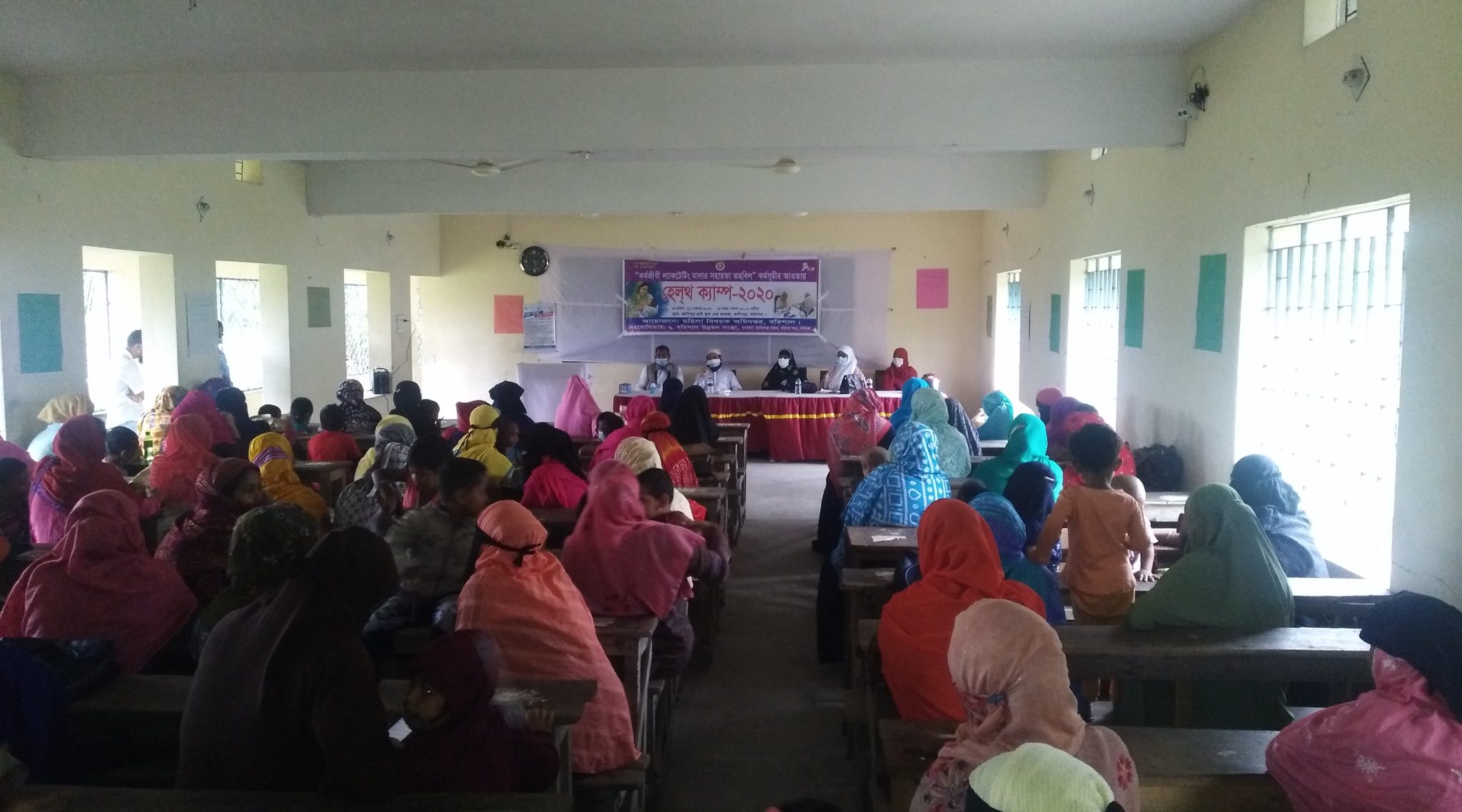
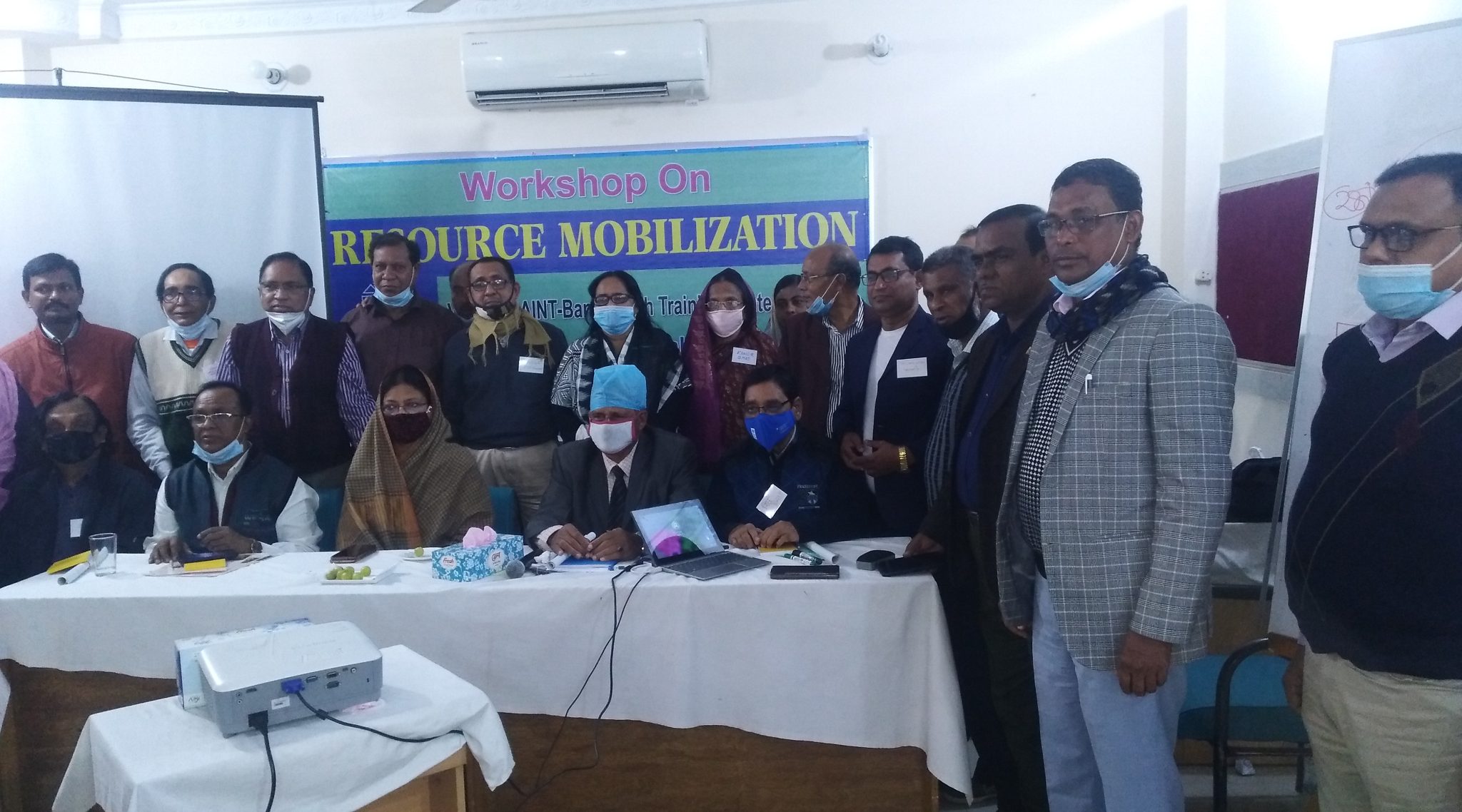
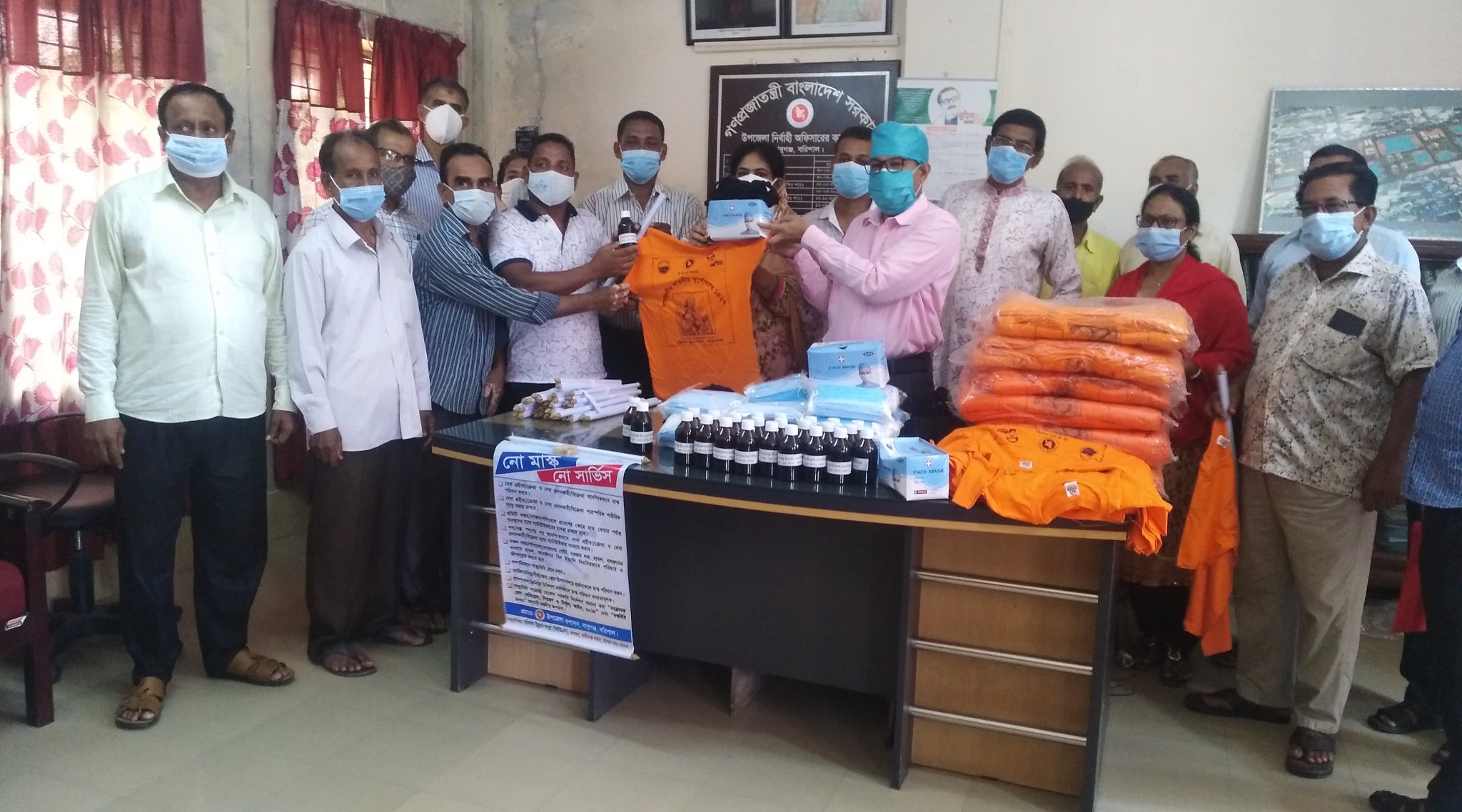
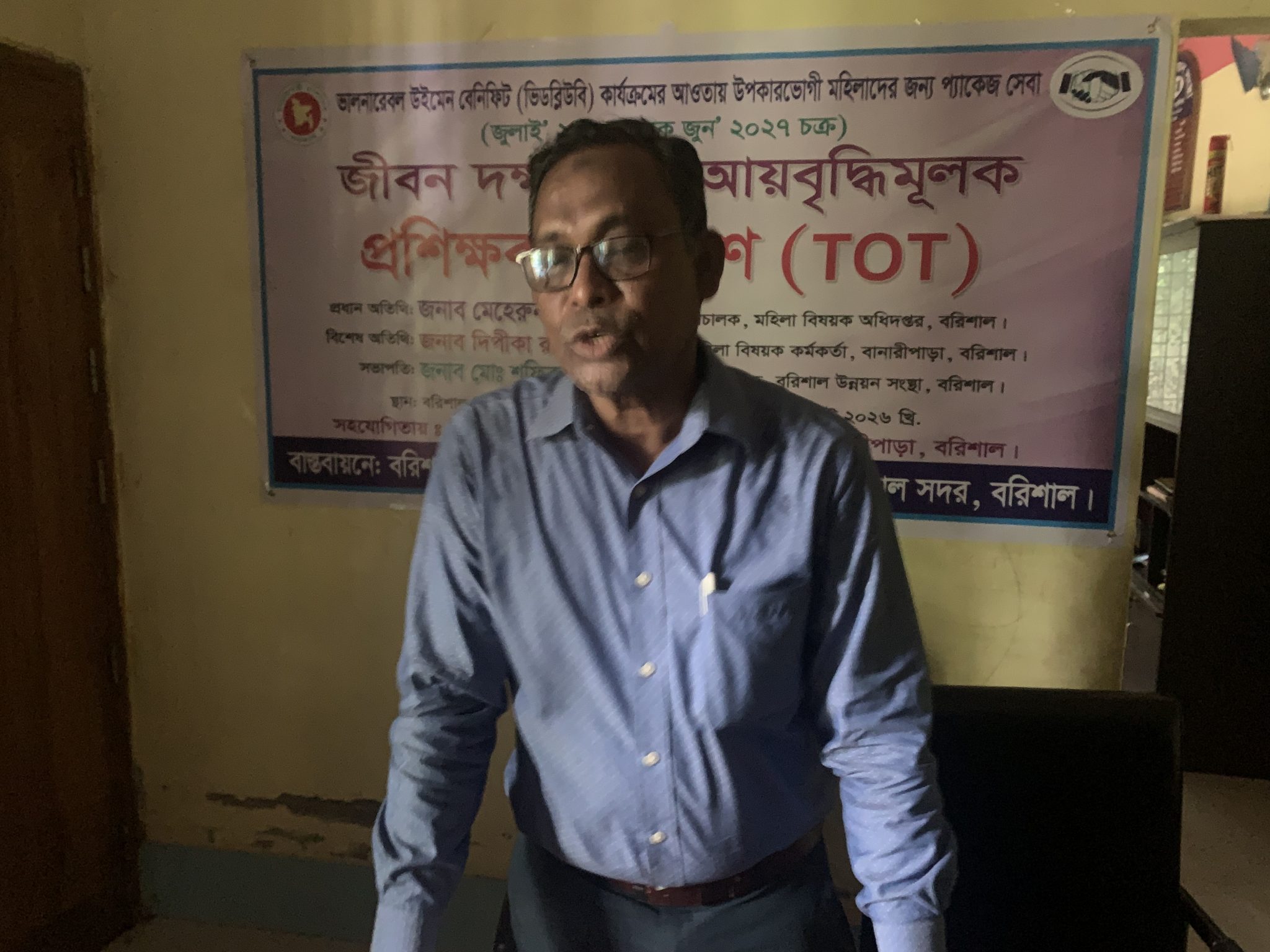
Barisal Unnyon Sangstha (BUS) is a non-governmental, non-political, and community-based development organization established in 1995 by the initiative of Md. Shafiqul Islam, an experienced development professional and renowned social worker, together with a group of dedicated humanitarian activists, is committed to improving the lives of marginalized and vulnerable communities in Bangladesh.
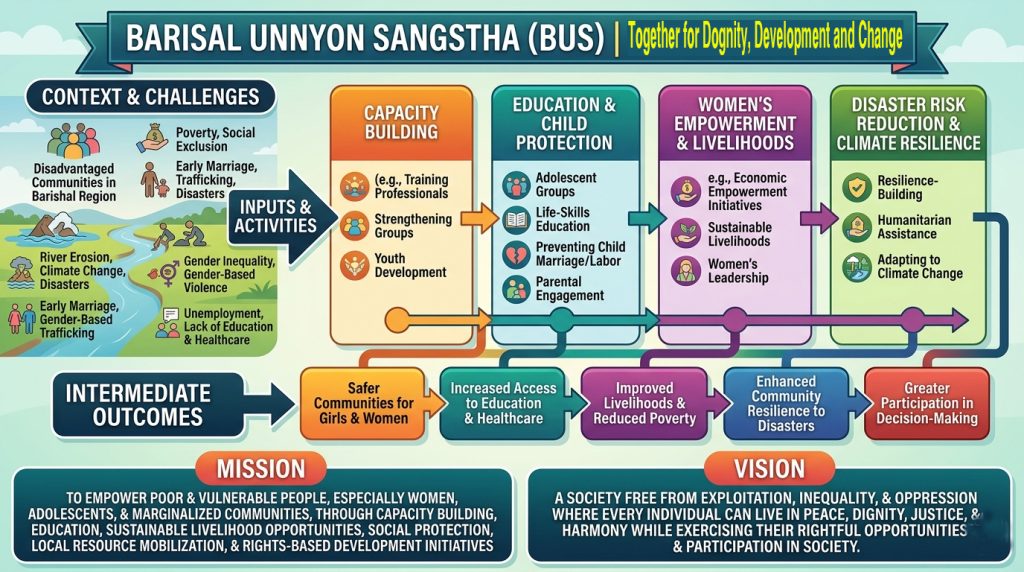
Since its inception, BUS has been working across the southern coastal region of Bangladesh, particularly in the Barishal Division, one of the country’s most climate-vulnerable and disaster-prone areas. The organization was founded with a vision to provide humanitarian, socio-economic, and rights-based support to disadvantaged populations affected by poverty, river erosion, climate change, social exclusion, gender inequality, and recurring natural disasters.
Over the years, BUS has successfully implemented more than 25 government and donor-supported projects focusing on:
Climate change adaptation and disaster resilience
Women and adolescent empowerment
Child protection and child marriage prevention
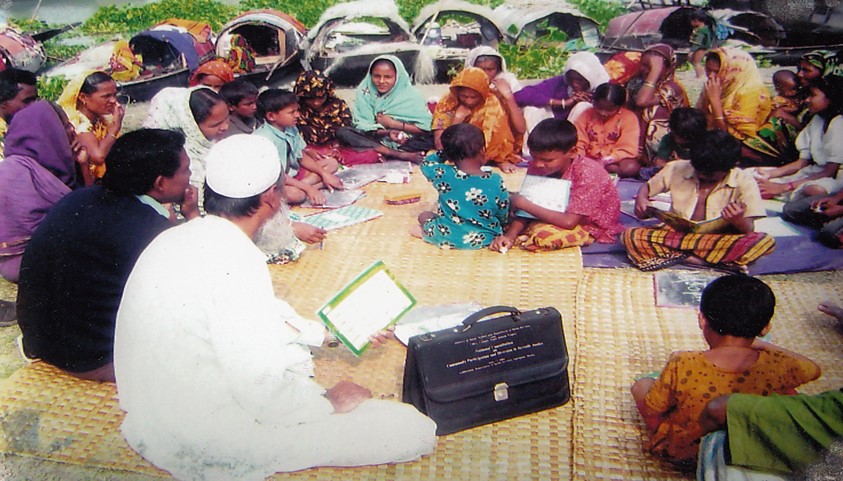
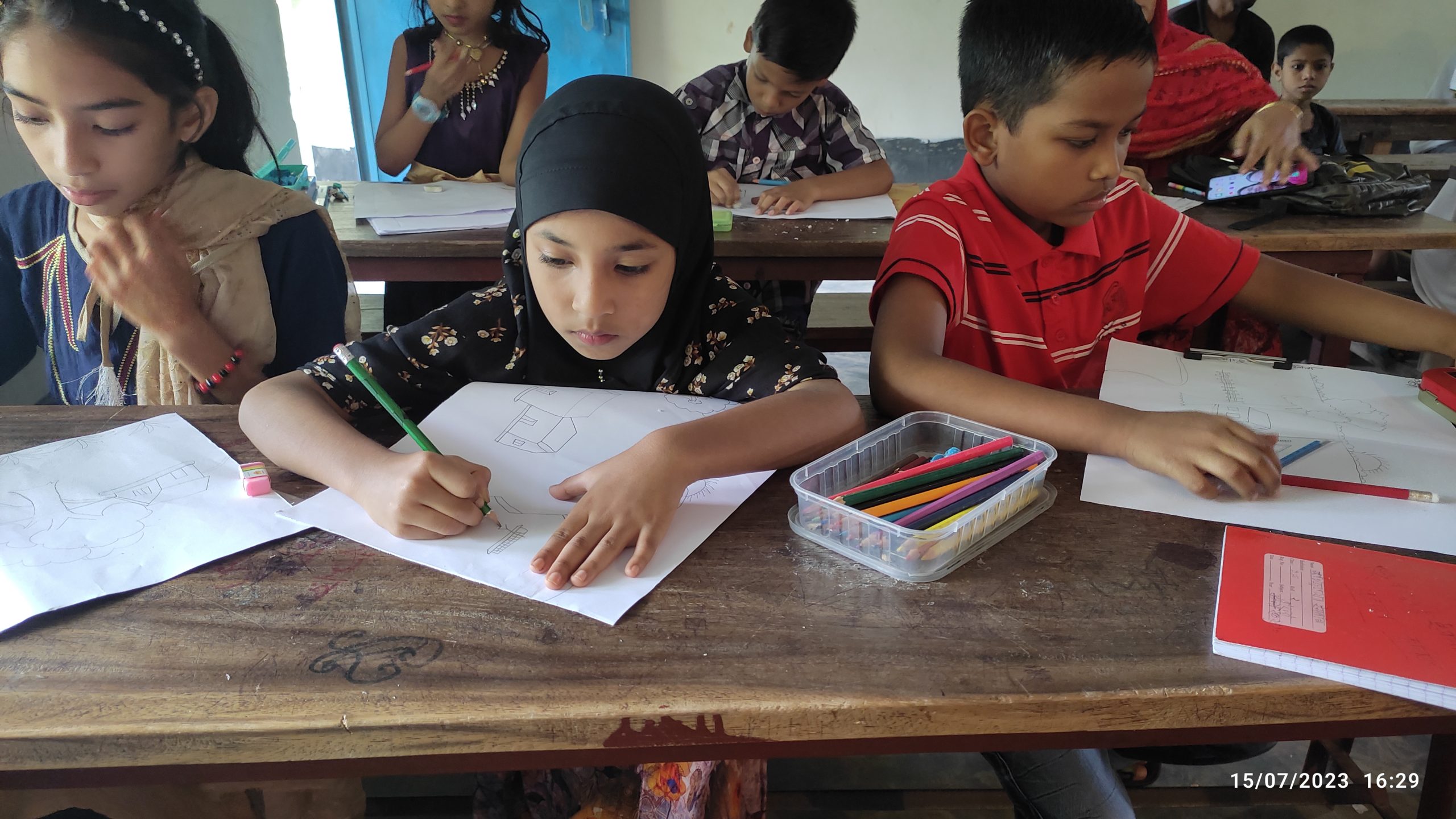
Education and non-formal learning initiatives
Livelihood development and poverty reduction
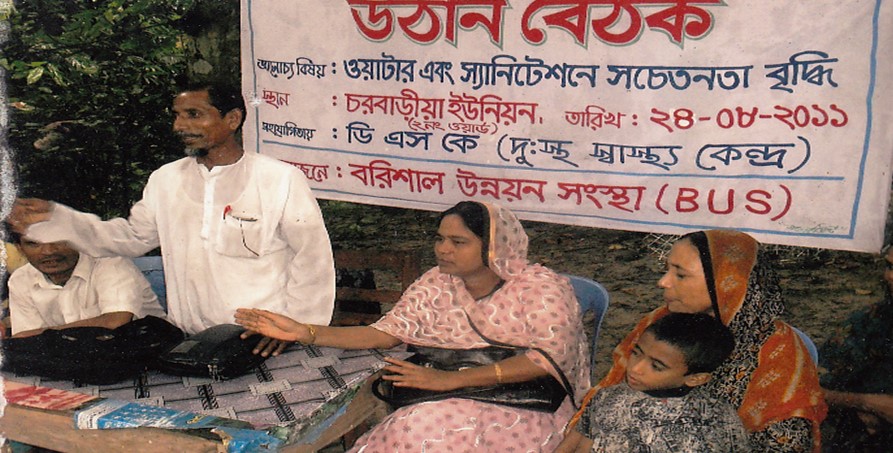
WASH (Water, Sanitation and Hygiene) interventions
Community health and nutrition
Human rights and social justice
Emergency humanitarian response and rehabilitation
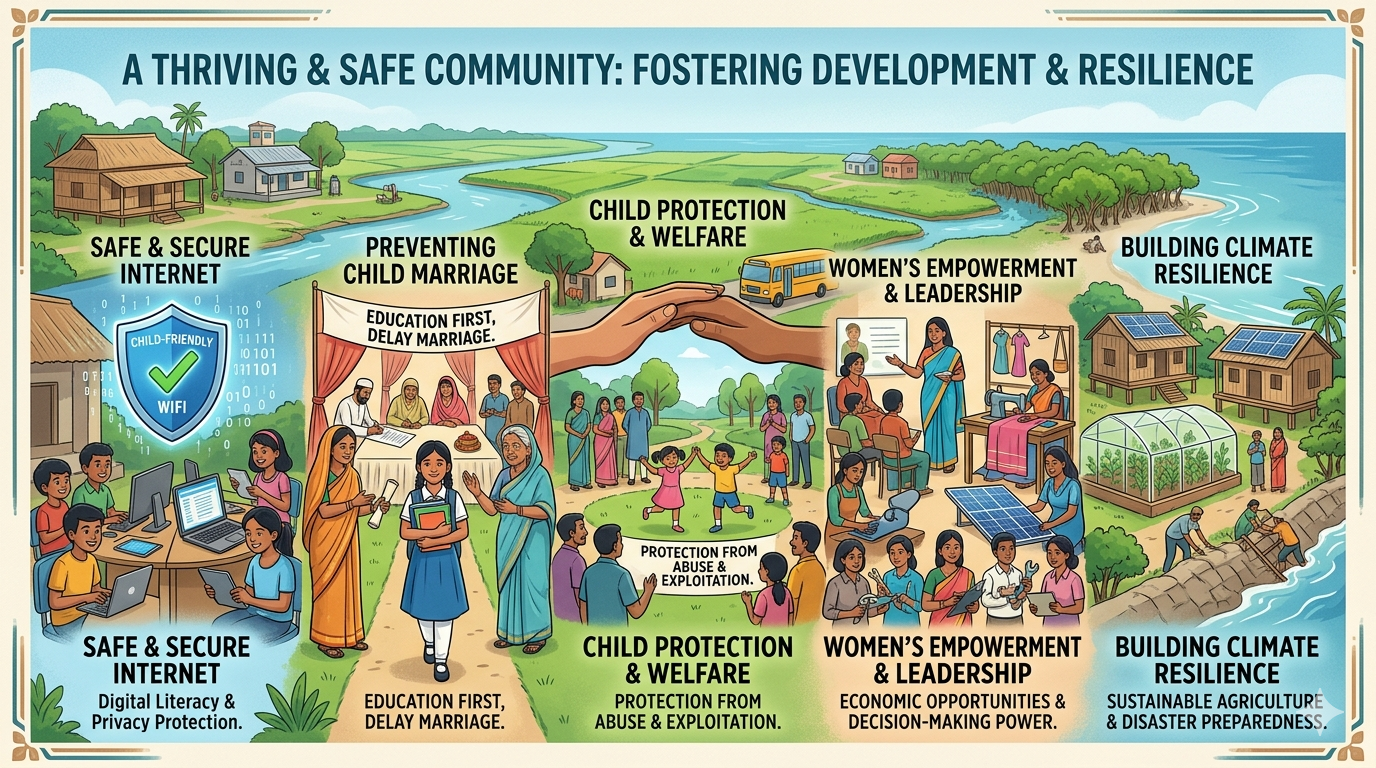
BUS places special emphasis on protecting adolescent girls and vulnerable women from child marriage, gender-based violence, exploitation, trafficking, and social discrimination. Through community awareness campaigns, adolescent groups, life-skills education, parental engagement, and economic empowerment initiatives, BUS works to create safer and more inclusive communities where girls can continue their education, develop leadership skills, and participate in decision-making processes with dignity and confidence.
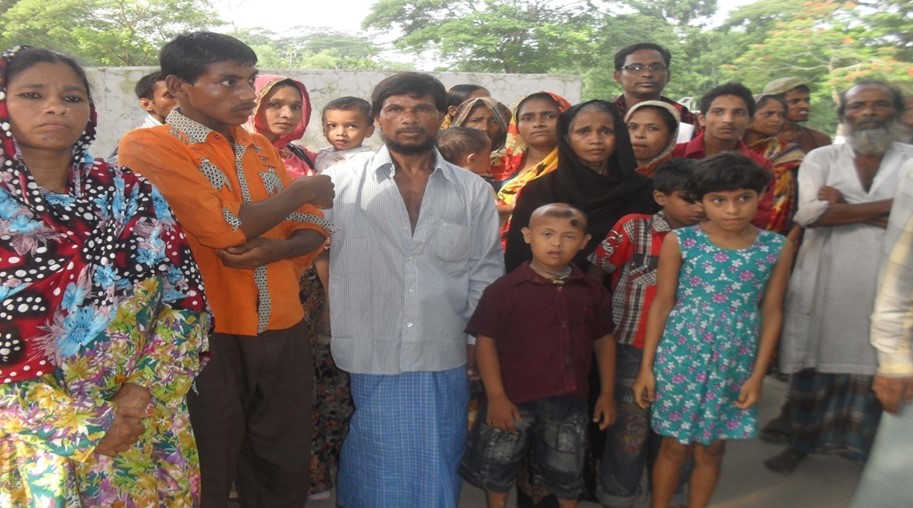
The coastal communities where BUS operates continue to face severe challenges, including river erosion, landlessness, unemployment, unsafe sanitation, lack of access to education and healthcare, food insecurity, and forced migration to urban slums. Women and children are disproportionately affected by these crises, often becoming victims of early marriage, child labor, abuse, and social exploitation.
In response to these realities, BUS adopts an integrated, community-driven approach that combines humanitarian assistance, resilience-building, capacity development, and sustainable livelihood support. The organization strongly believes that empowering women, adolescents, and vulnerable families is essential for long-term social transformation and poverty reduction.
Head Office:
Kagashura, Amirganj Bazar
Barishal Sadar, Barishal, Bangladesh
Operational Areas:
Barishal Division and other districts of Bangladesh
Legal Status:
NGO Affairs Bureau Registration No: 2775, Date: March 25, 2013
Department of Social Services Registration No: Bori/603/99, Date: September 28, 1999
Department of Women Affairs Registration No: Bori/542/16, Date: September 03, 2016
Department of Youth Registration No: Bori- 186/2010, Date: August 17, 2010
Vision:
A society free from exploitation, inequality, and oppression where every individual can live in peace, dignity, justice, and harmony while exercising their rightful opportunities and participation in society.
Mission:
To empower poor and vulnerable people, especially women, adolescents, and marginalized communities, through capacity building, education, sustainable livelihood opportunities, social protection, local resource mobilization, and rights-based development initiatives implemented by skilled, experienced, and committed professionals.
Core Values:
Accountability
Integrity
Inclusion
Participation
Transparency
Gender Equality
Humanitarian Principles
Governance Structure:
Barisal Unnyon Sangstha (BUS) is governed by an Executive Committee which full of experienced professionals, development practitioners, educators, and social leaders. BUS is governed by a 7-member Executive Committee elected in accordance with the organization’s constitution for a three-year term.
The Executive Committee is responsible for providing strategic direction, policy guidance, financial oversight, and ensuring organizational accountability and compliance with requirements. Day-to-day operations are managed by the Executive Director and management team under the guidance and supervision of the Executive Committee, ensuring a clear separation between governance and management functions.
Human Resources:
BUS maintains a multidisciplinary team including:
Program Management Staff
Finance and Administration Personnel
Monitoring and Evaluation Officers
Community Mobilizers
Disaster Response Volunteers
Technical Consultants
Technical Expertise:
BUS has expertise in:
Humanitarian Response
Disaster Risk Reduction (DRR)
Climate Change Adaptation
Education
WASH
Livelihood Development
Social Protection
Child Protection & Child marriage prevention
Community Resilience
Capacity Building
Humanitarian Capacity:
BUS maintains:
Rapid response volunteers
Community-based networks
Local government coordination mechanisms
Emergency assessment capability
Beneficiary registration systems
Distribution management systems
Monitoring and reporting mechanisms
Accountability and Safeguarding:
BUS has adopted:
Child Safeguarding Policy
Gender Equality Policy
Anti-Harassment Policy
Code of Conduct
Complaint Response Mechanism
Accountability to Affected Populations (AAP) practices
Financial Management:
BUS follows:
Annual external audits
Financial control procedures
Procurement policy
Asset management procedures
Donor compliance standards
Partnership Experience:
BUS has collaborated with:
Government Departments
National NGOs
International NGOs
Community-Based Organizations
Educational Institutions
Private Sector Stakeholders
Future Commitment:
BUS remains committed to delivering quality humanitarian and development interventions that strengthen resilience, reduce vulnerability, and improve the well-being of vulnerable populations across Bangladesh.
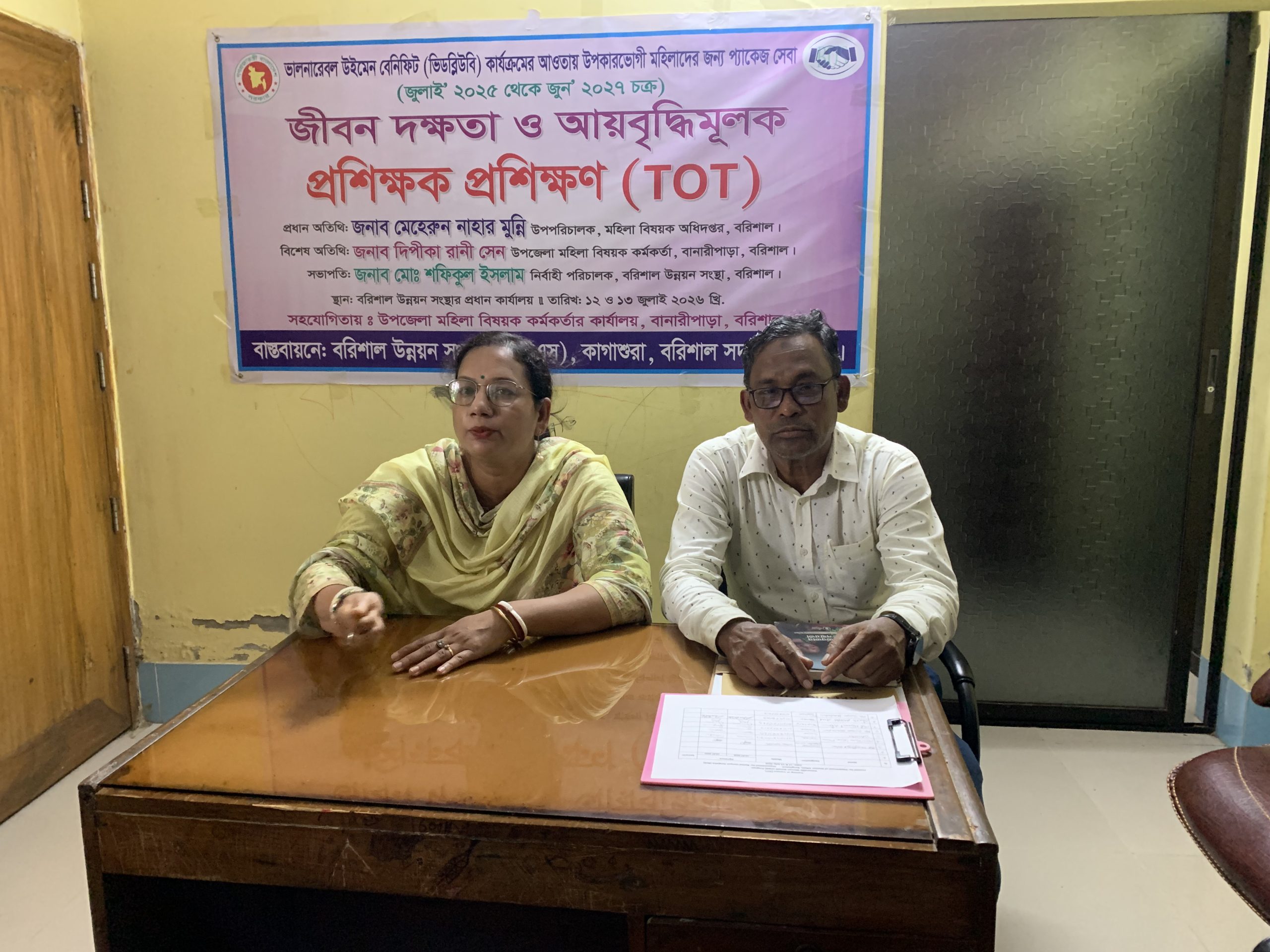
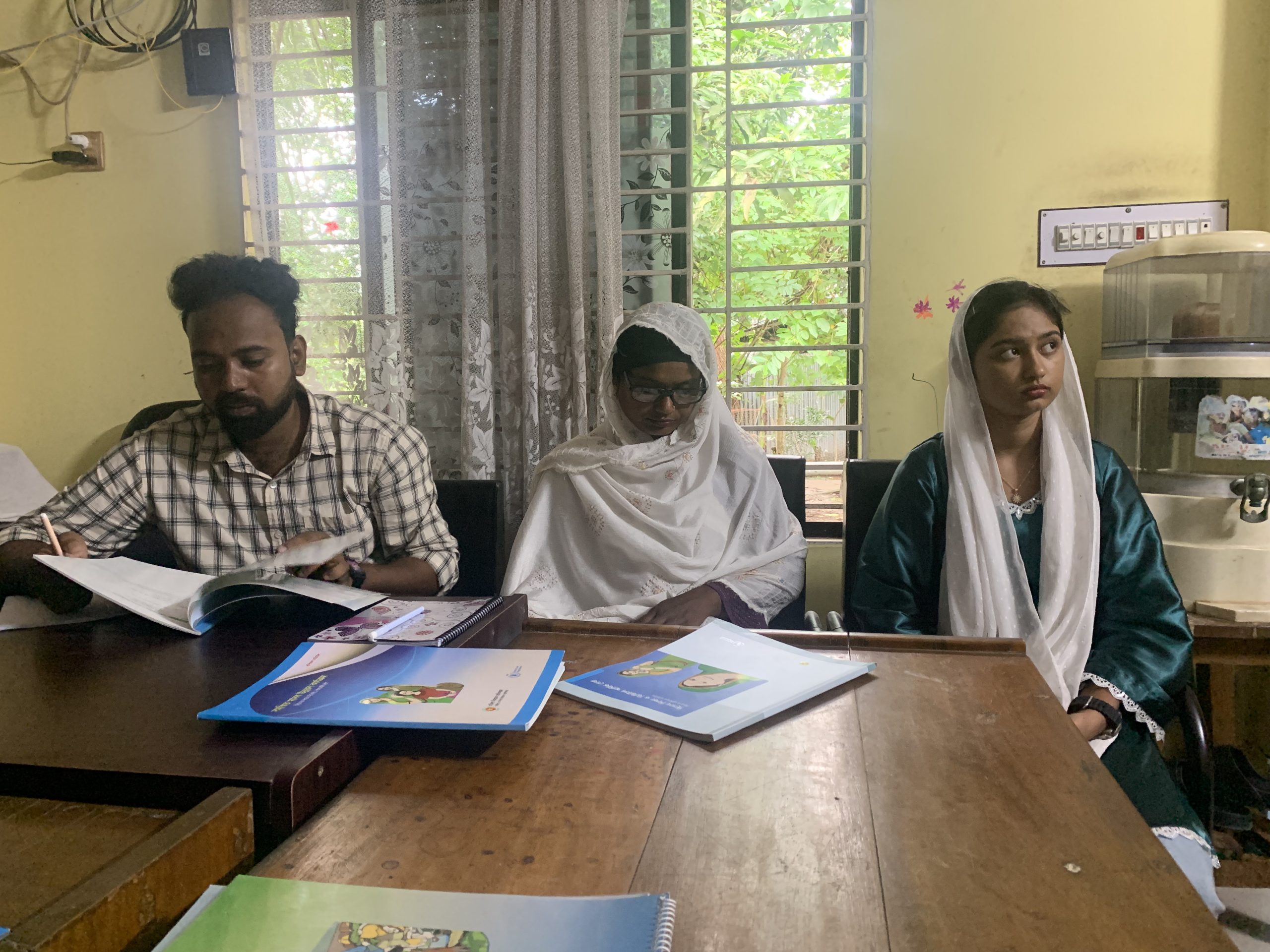
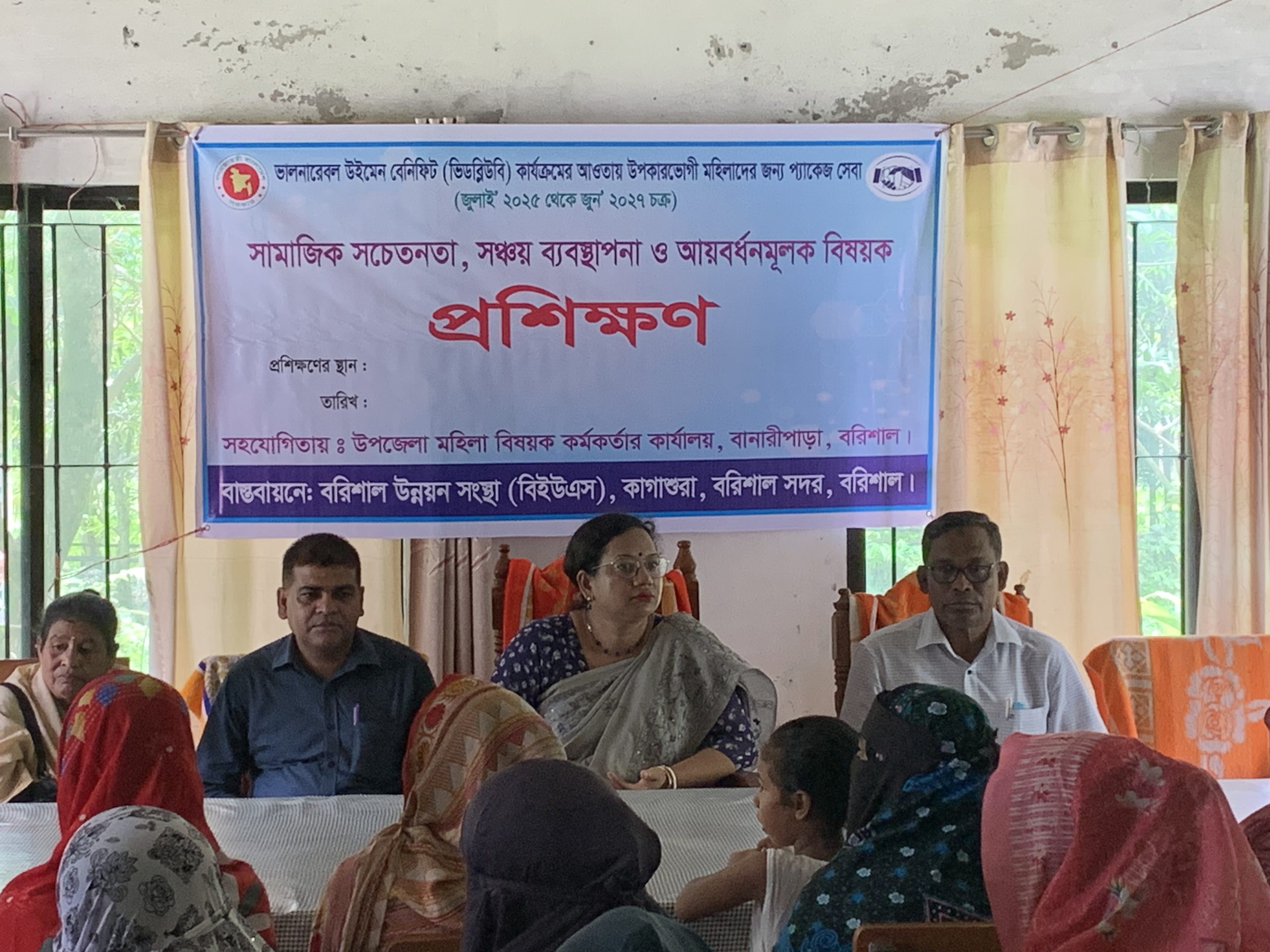
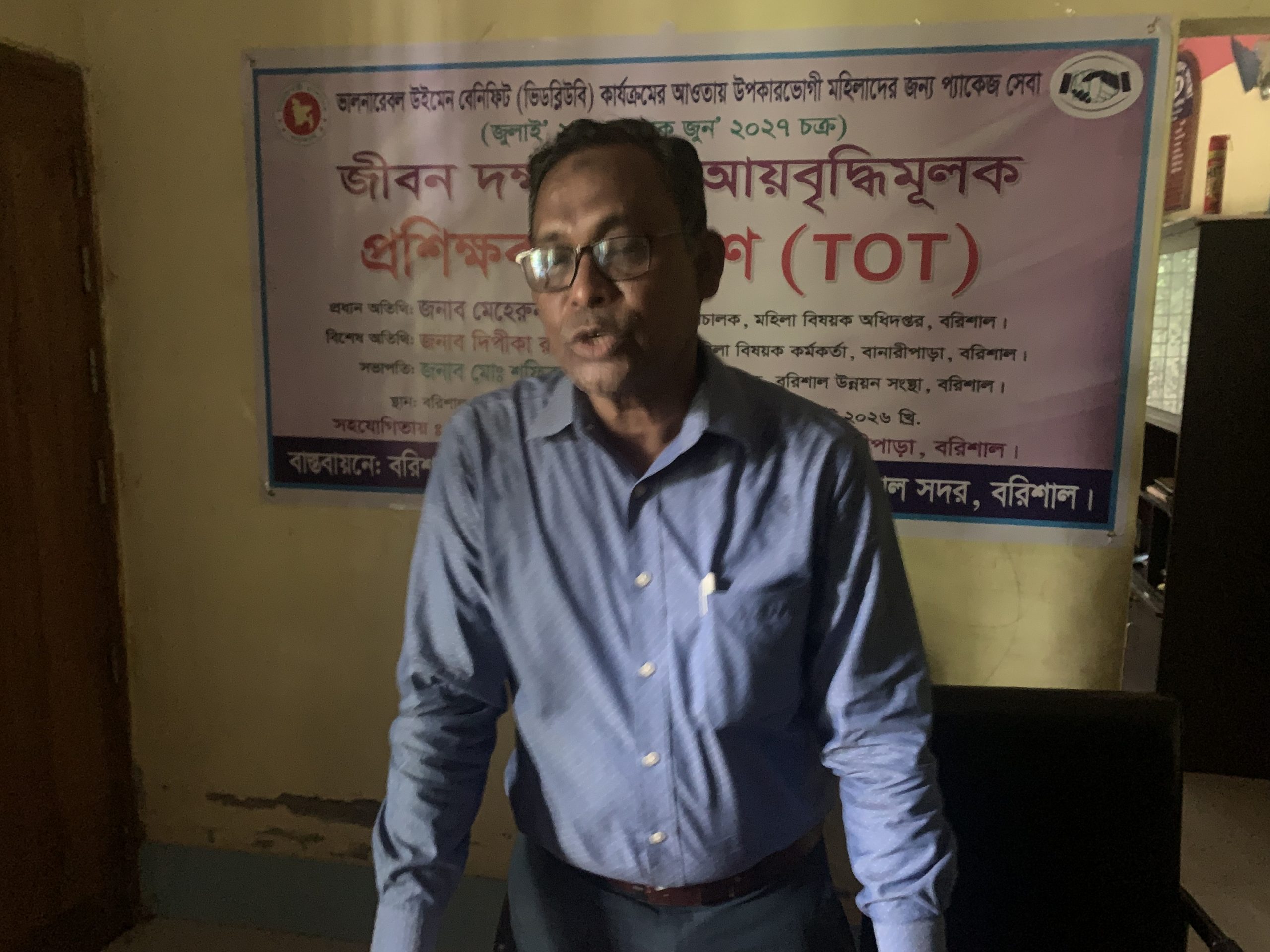
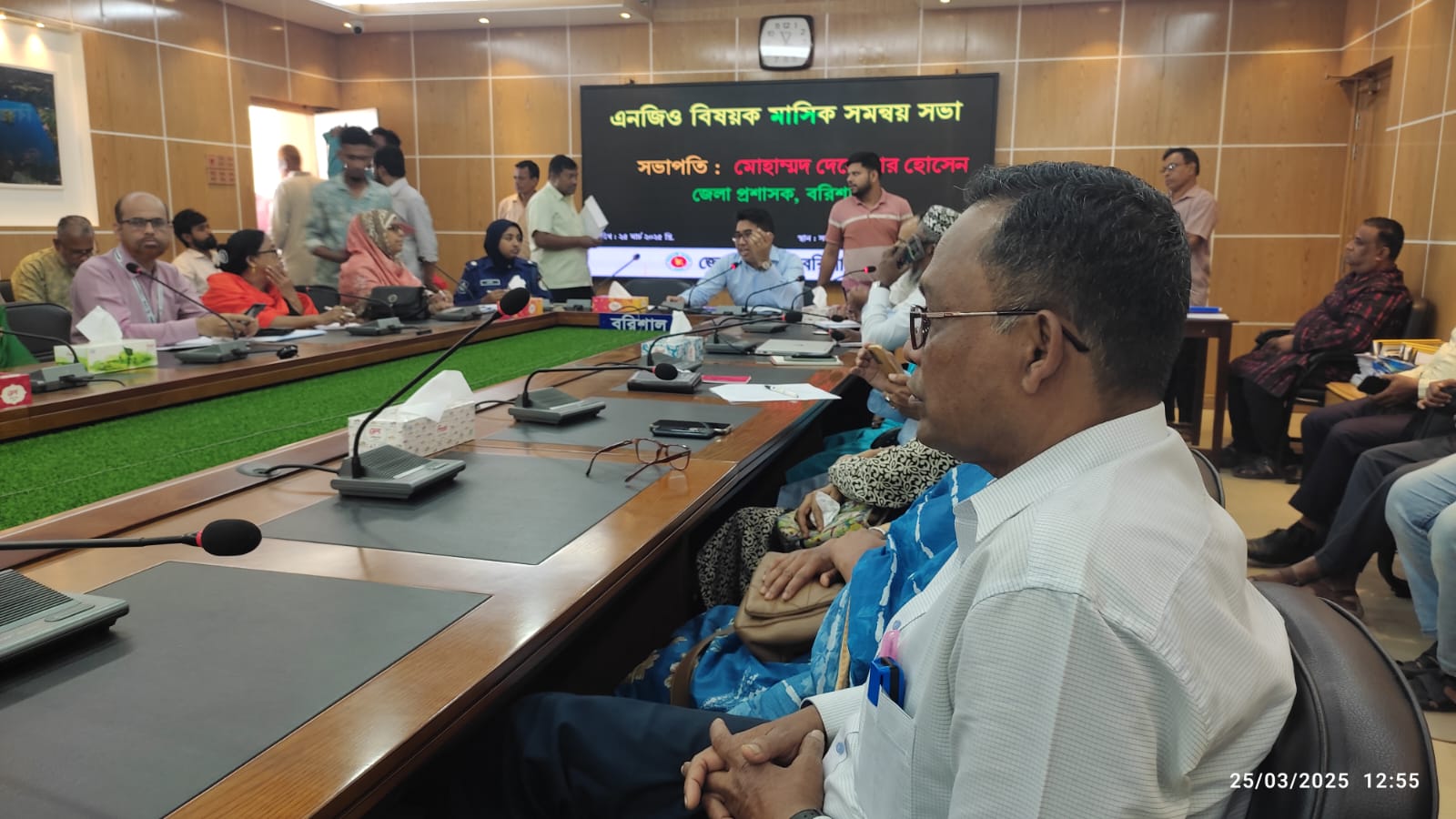
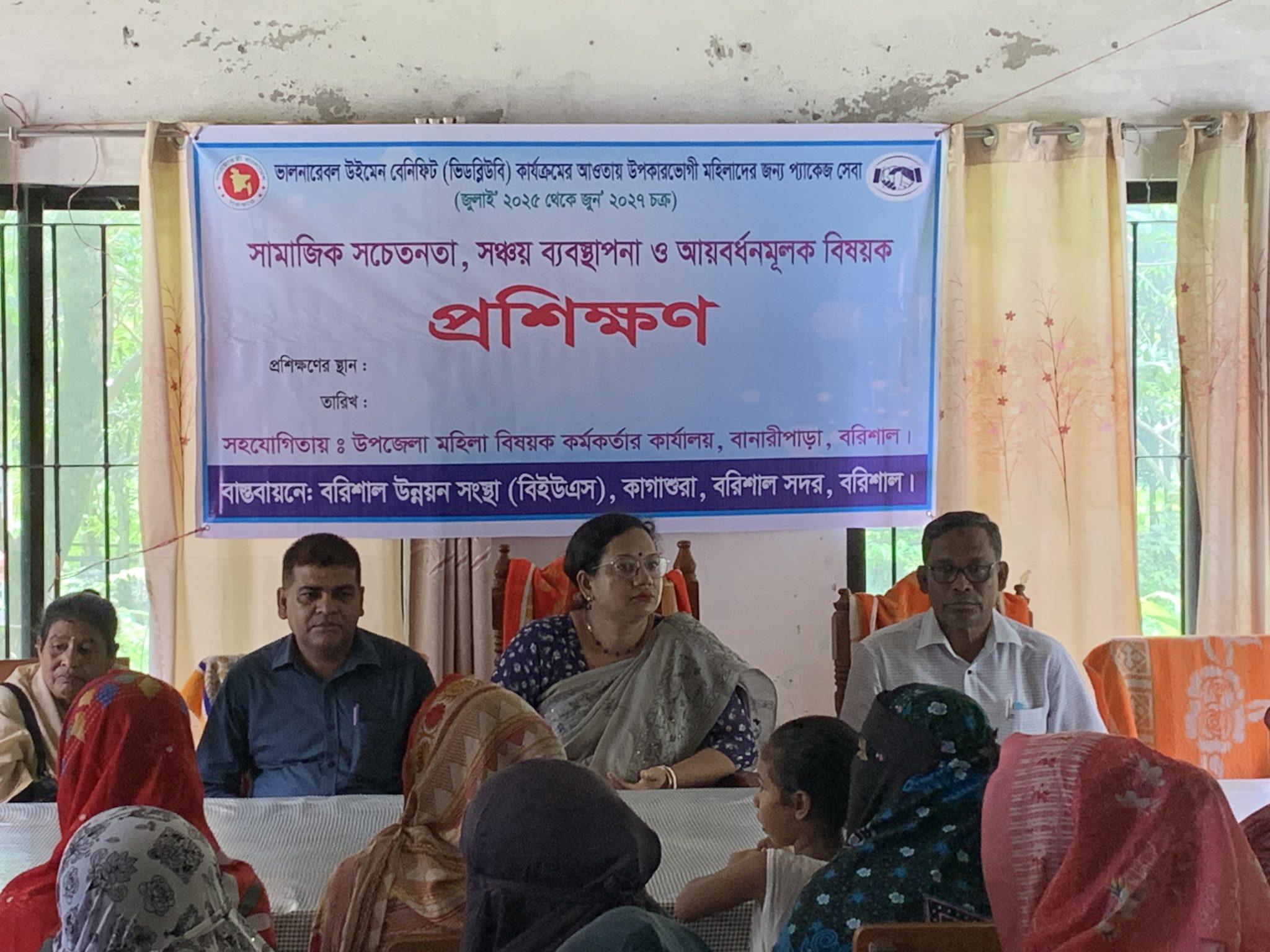
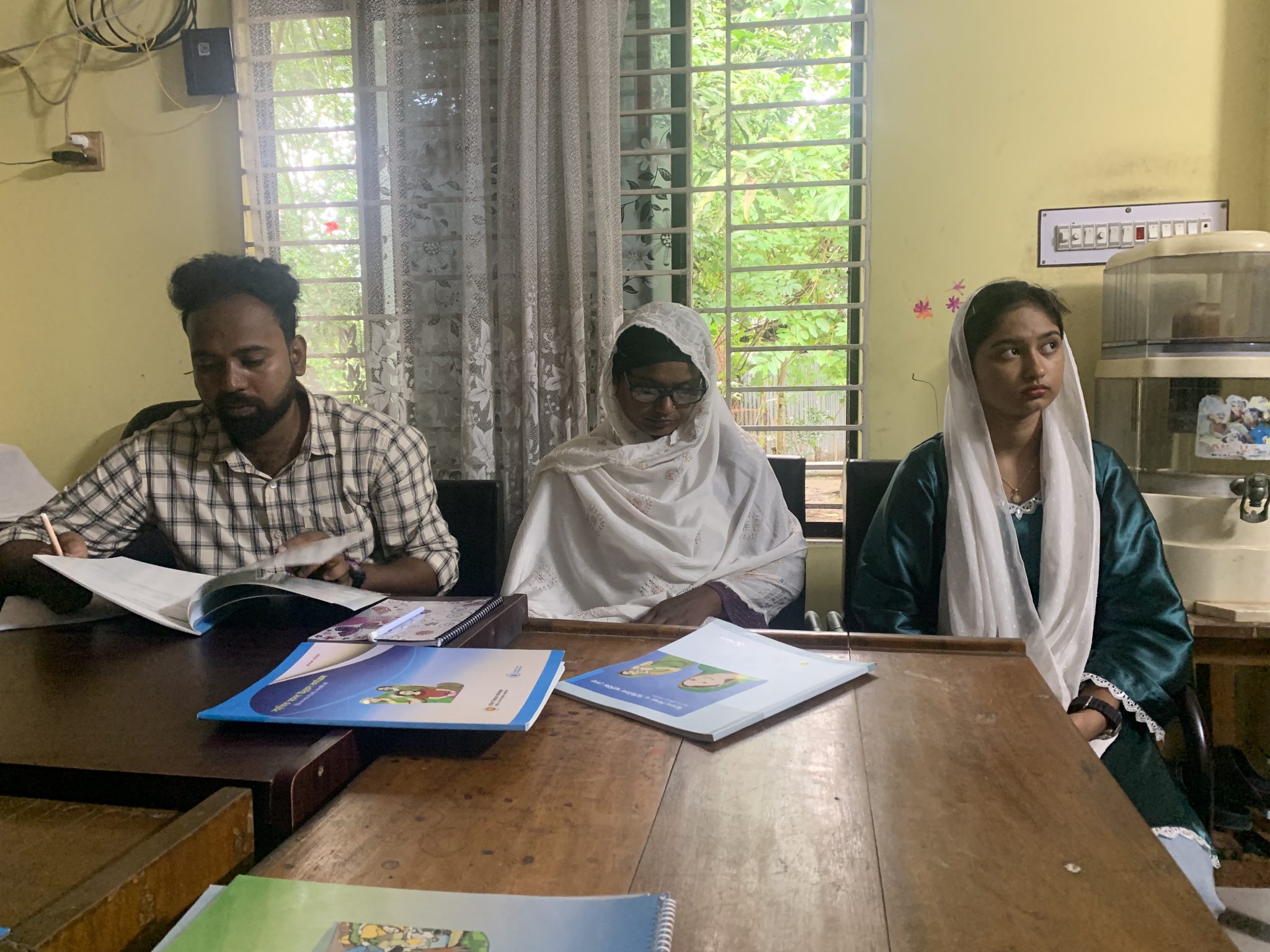
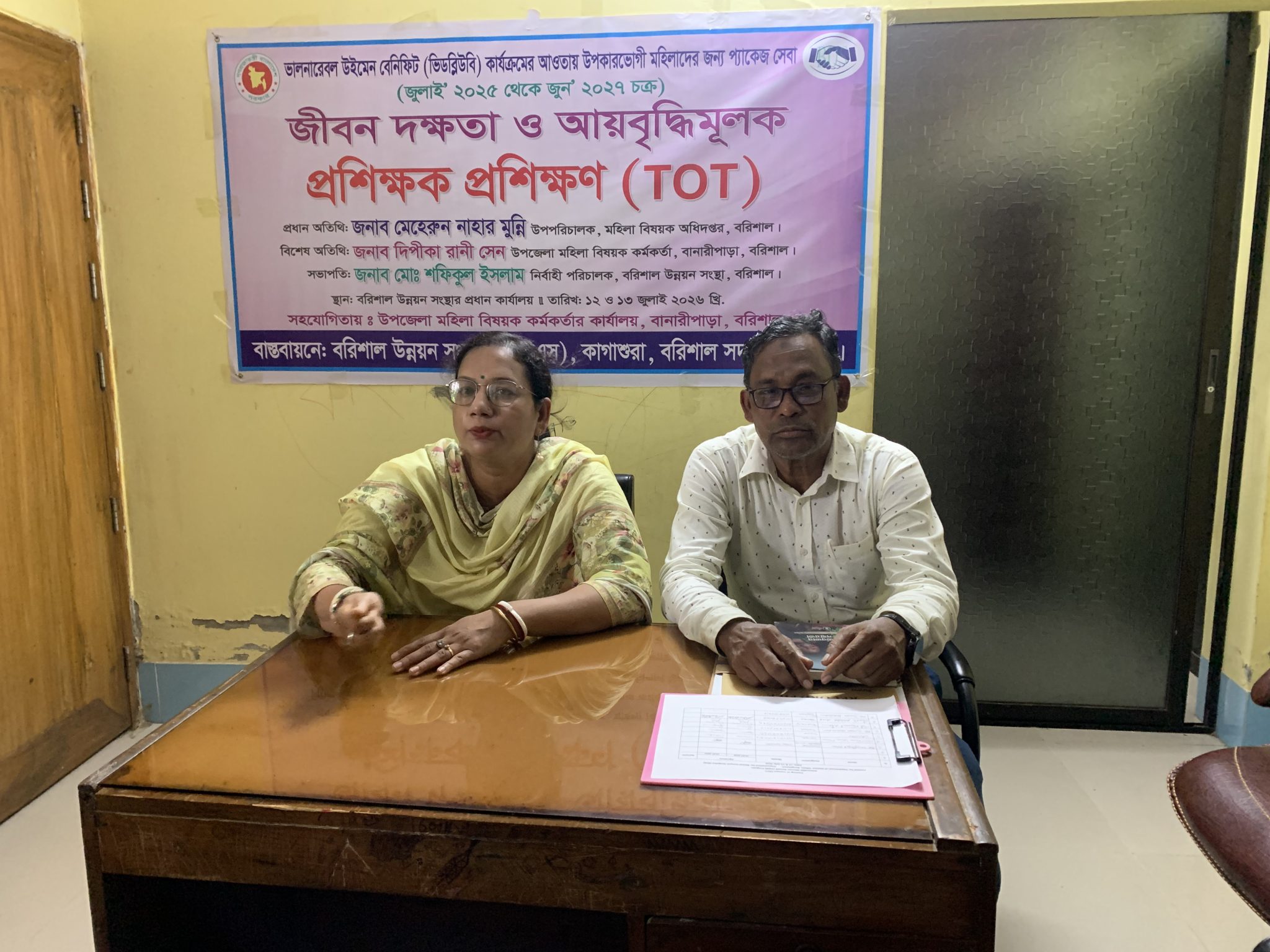
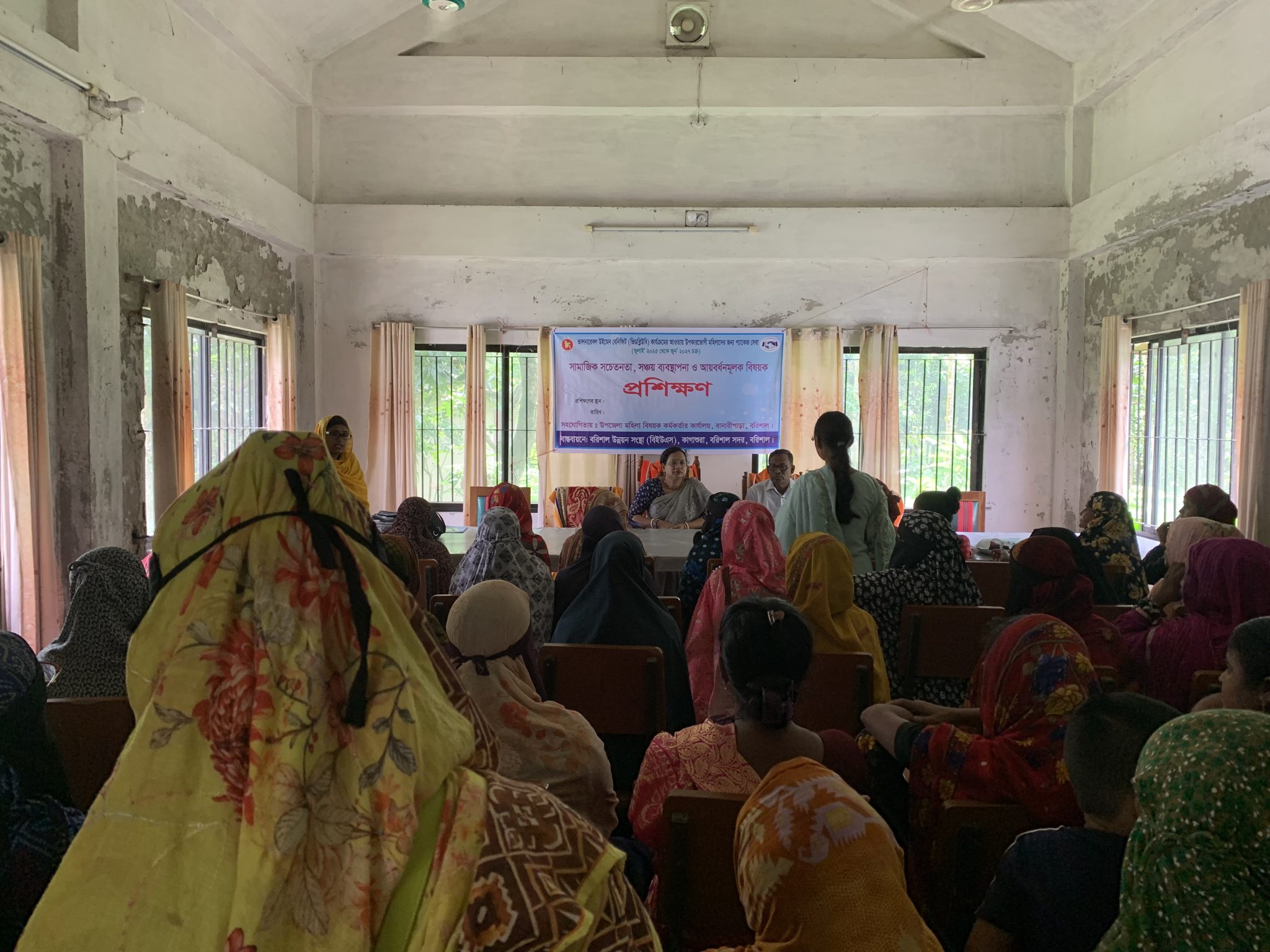
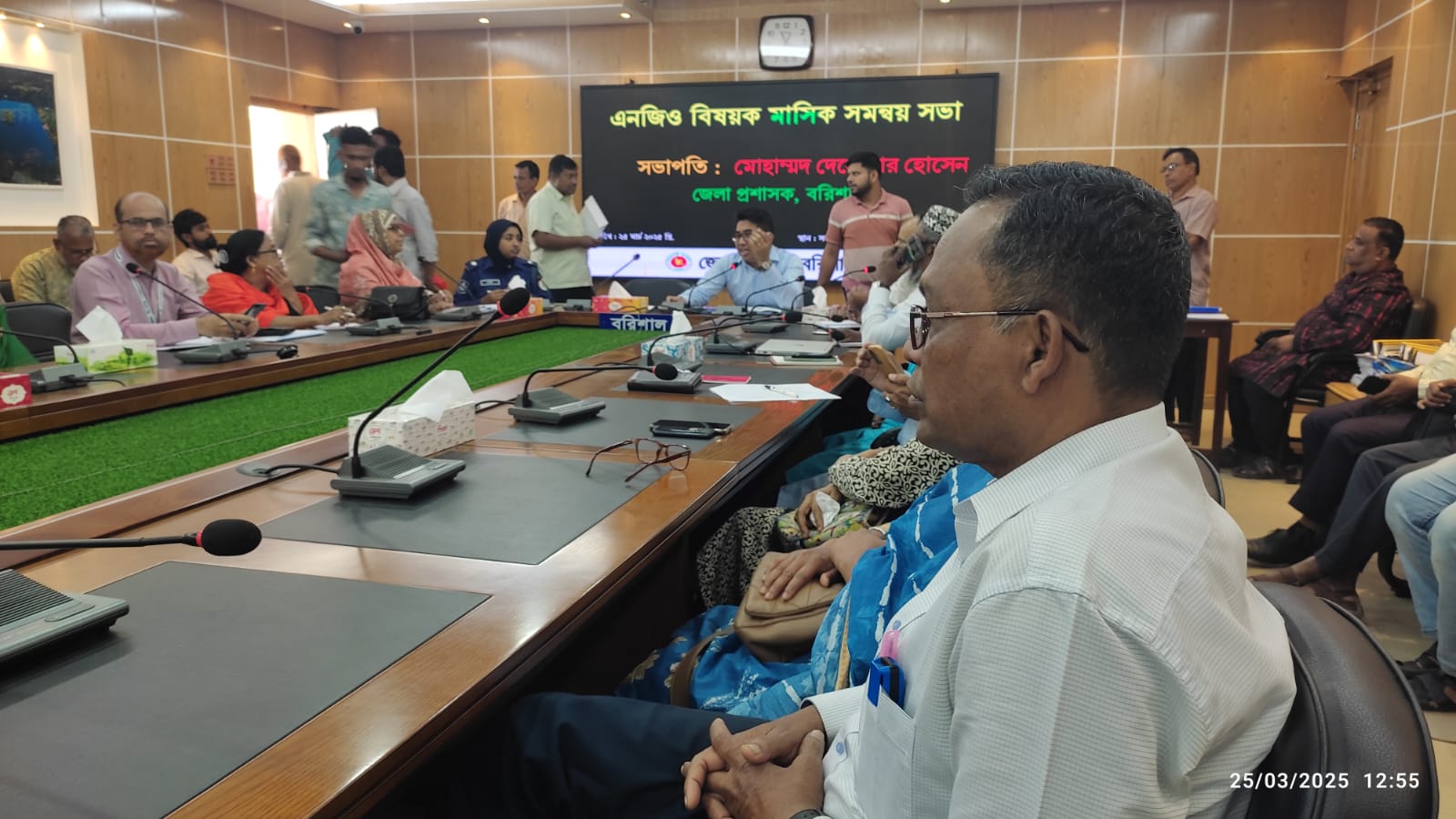
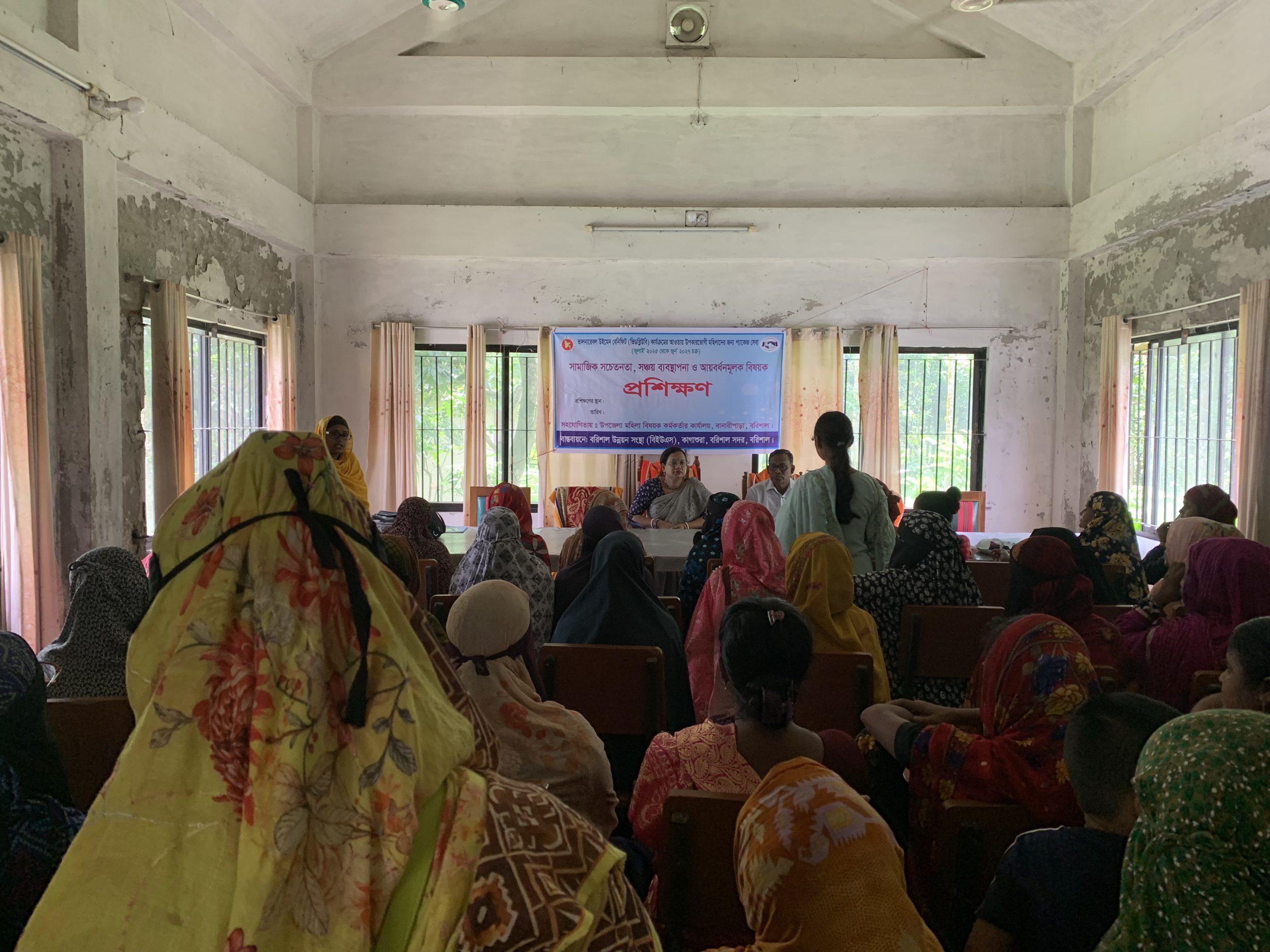
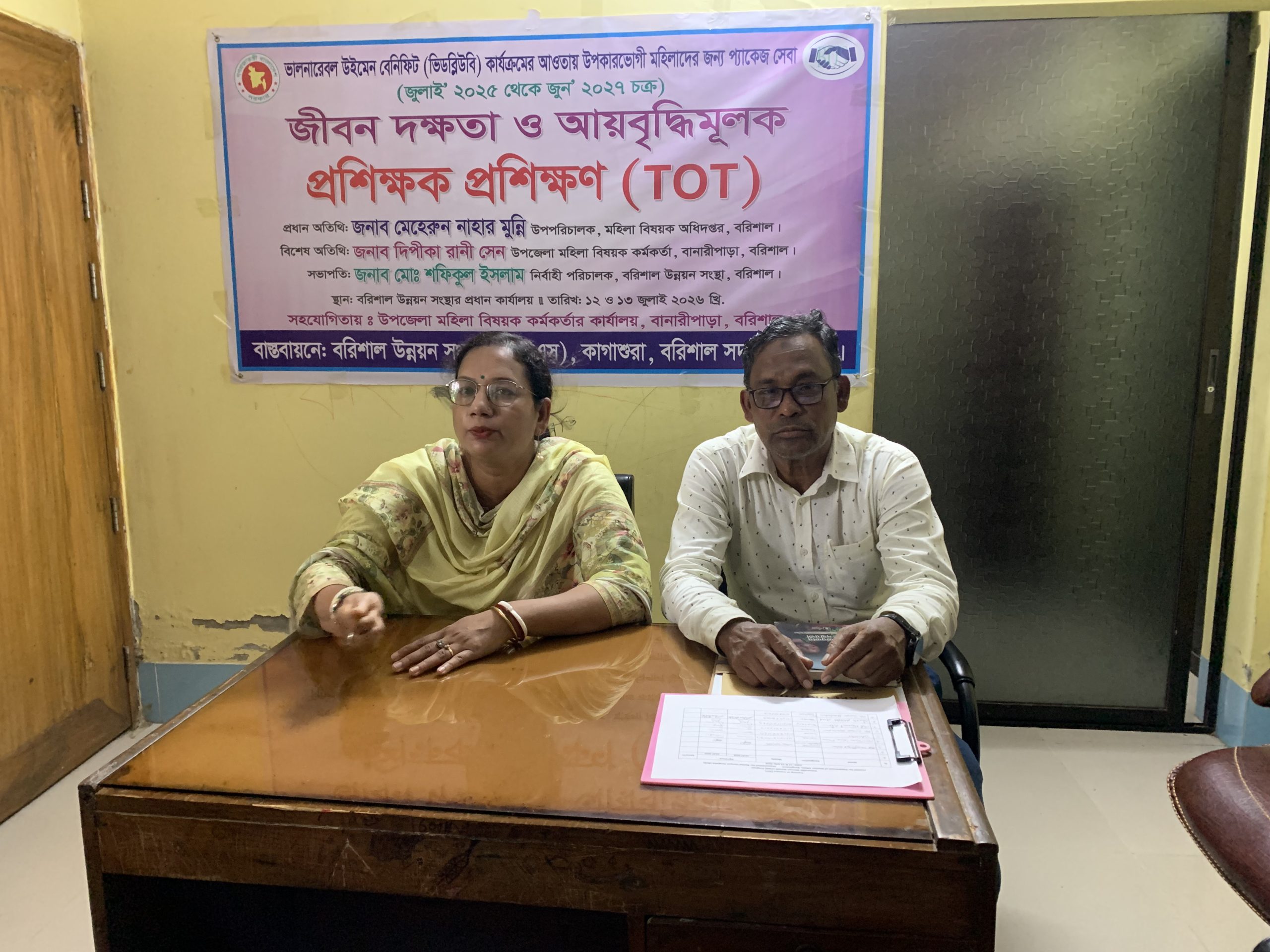
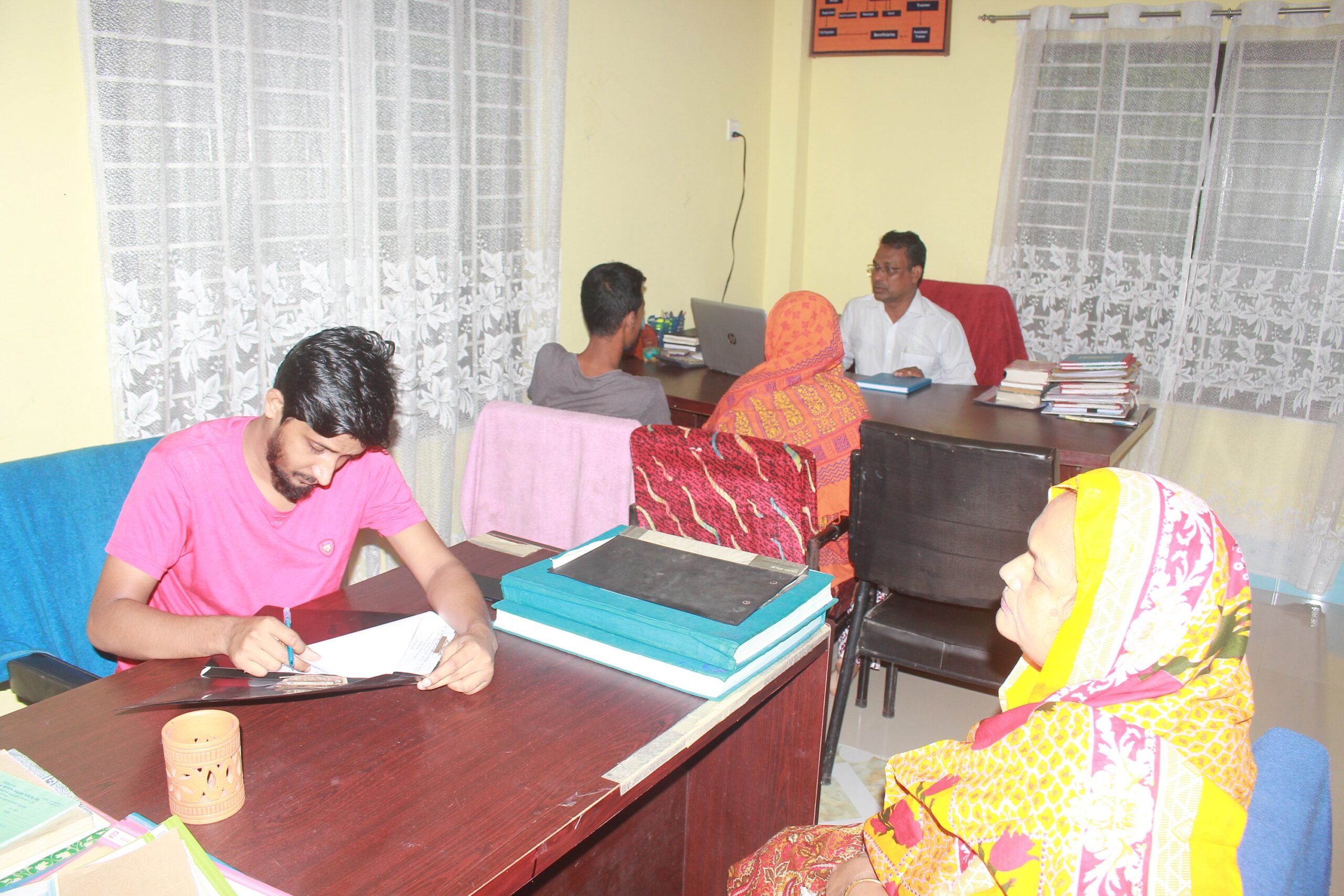
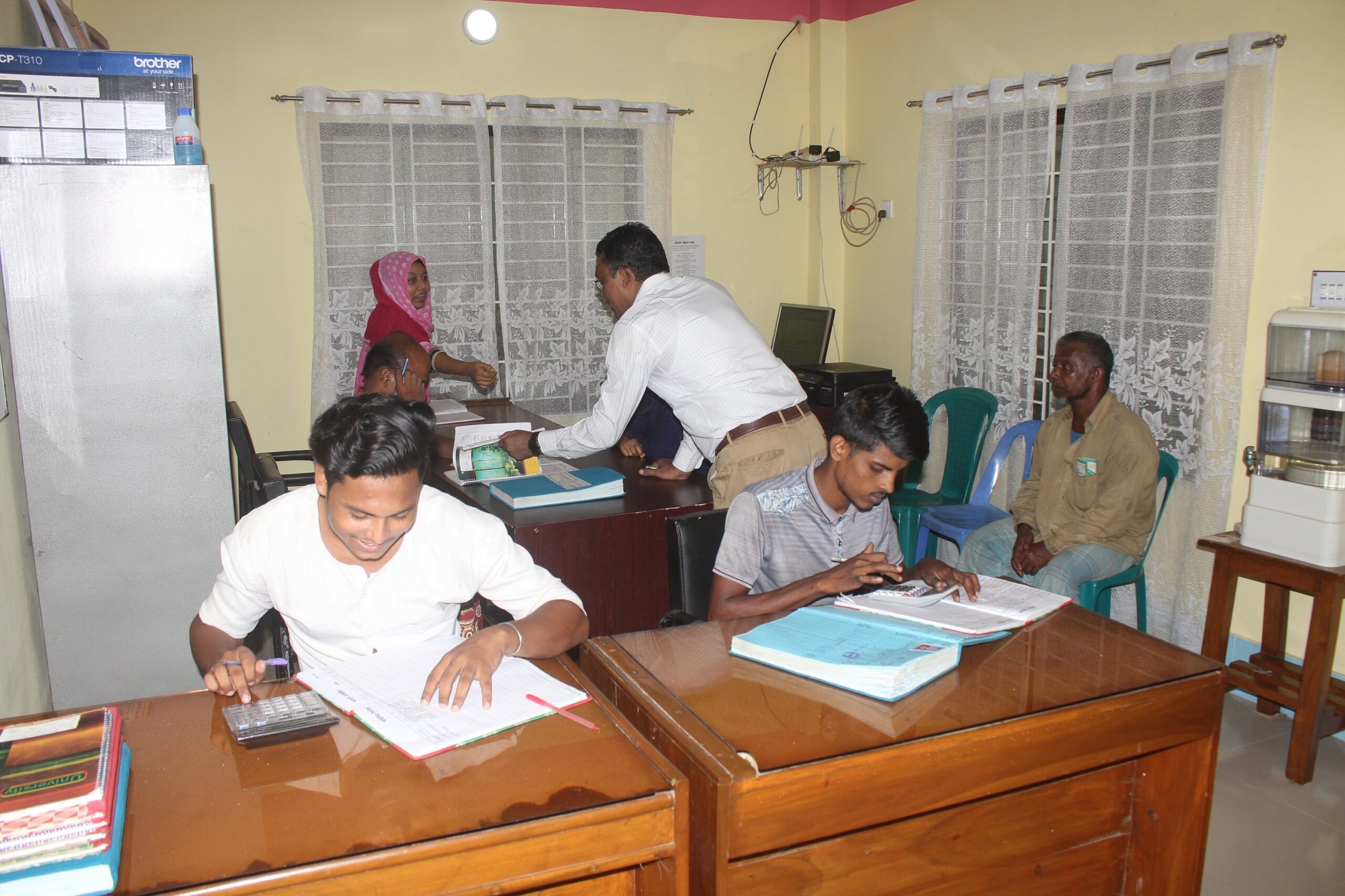
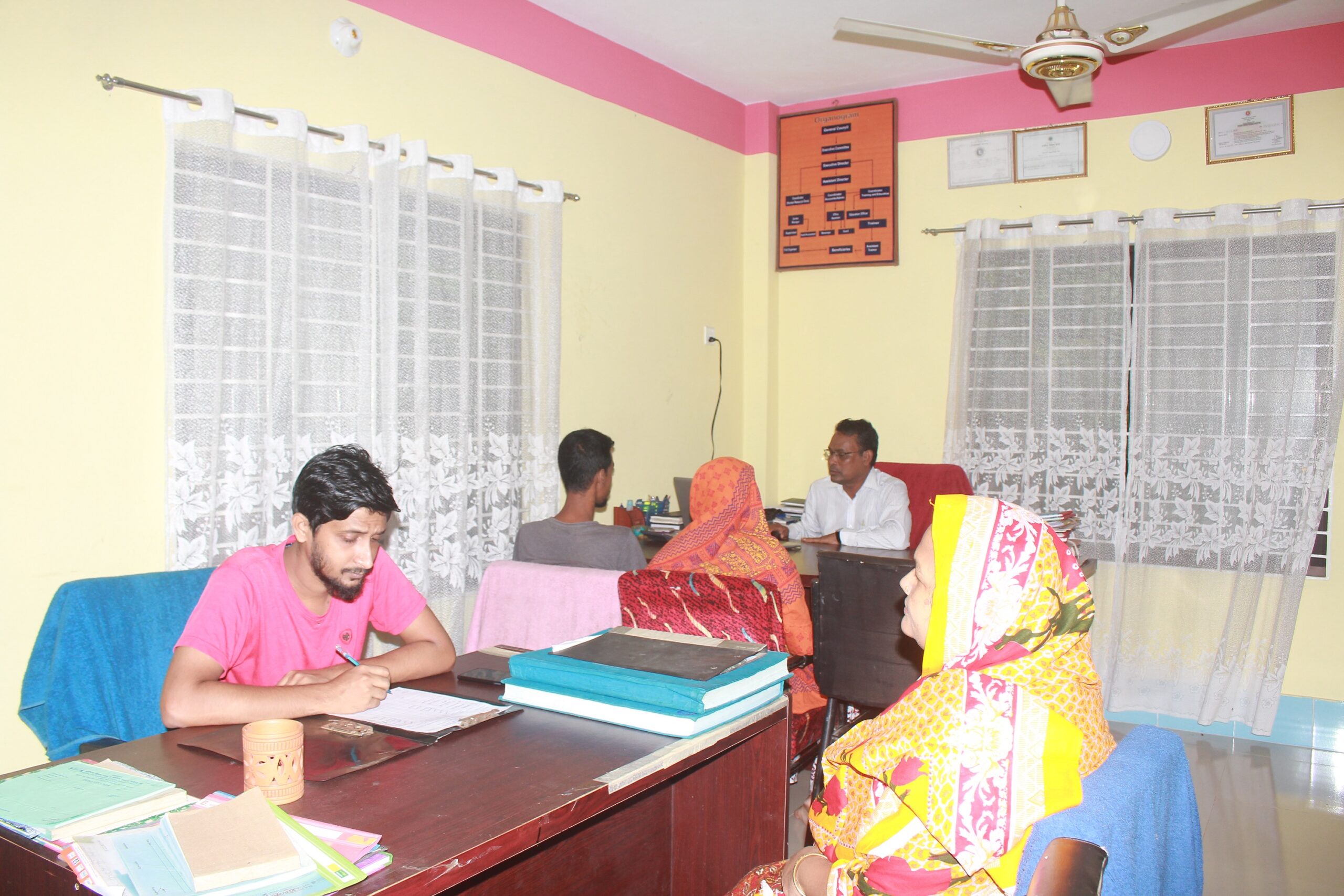
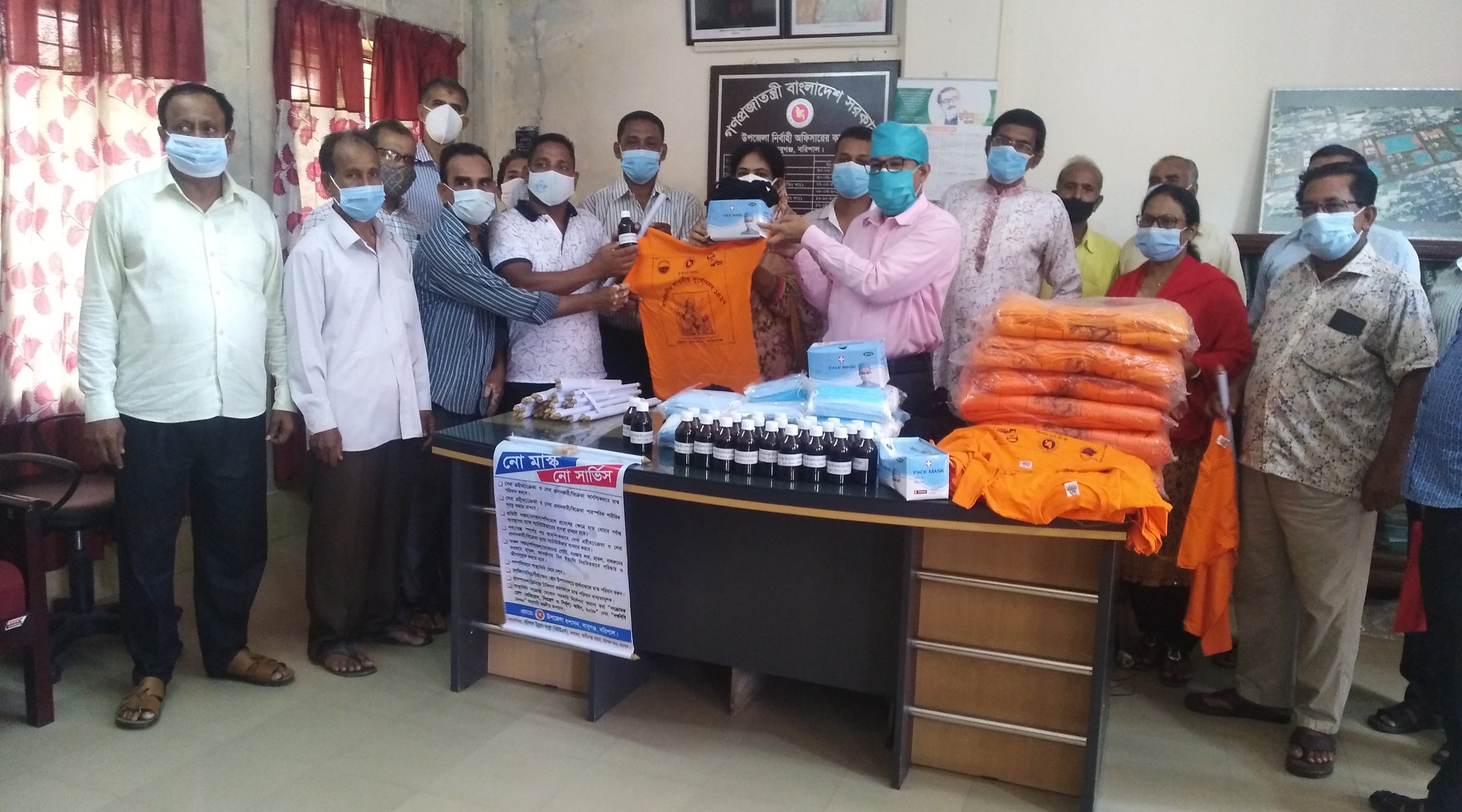
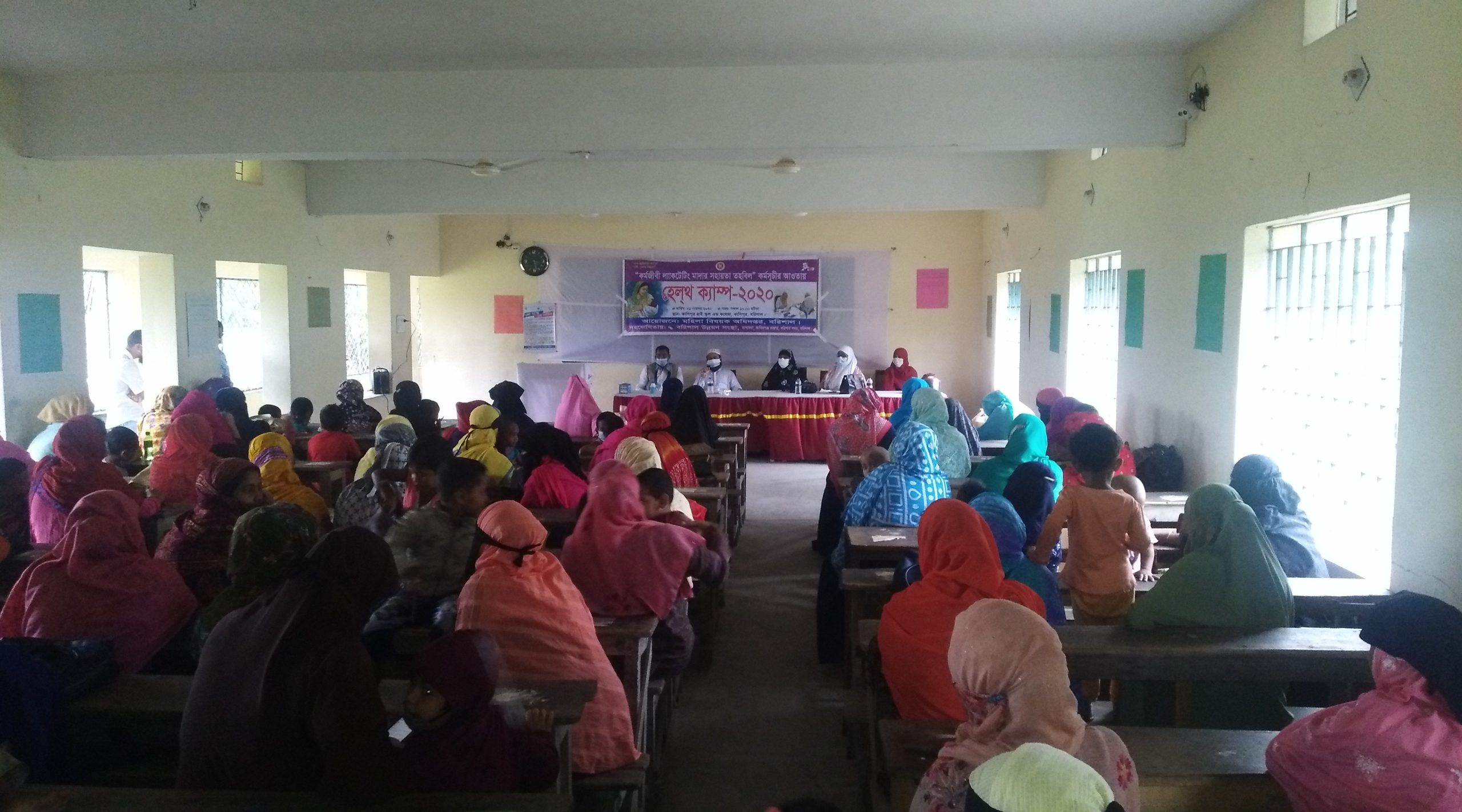
The Vulnerable Women Benefit (VWB) project orientation has been successfully completed prior to its full implementation across Banaripara Upazila in Barishal District and Dharmapasha Upazila in Sunamganj District. Financed by the Ministry of Women and Children Affairs (MoWCA), this vital initiative empowers vulnerable women through structured socio-economic support and capacity development.
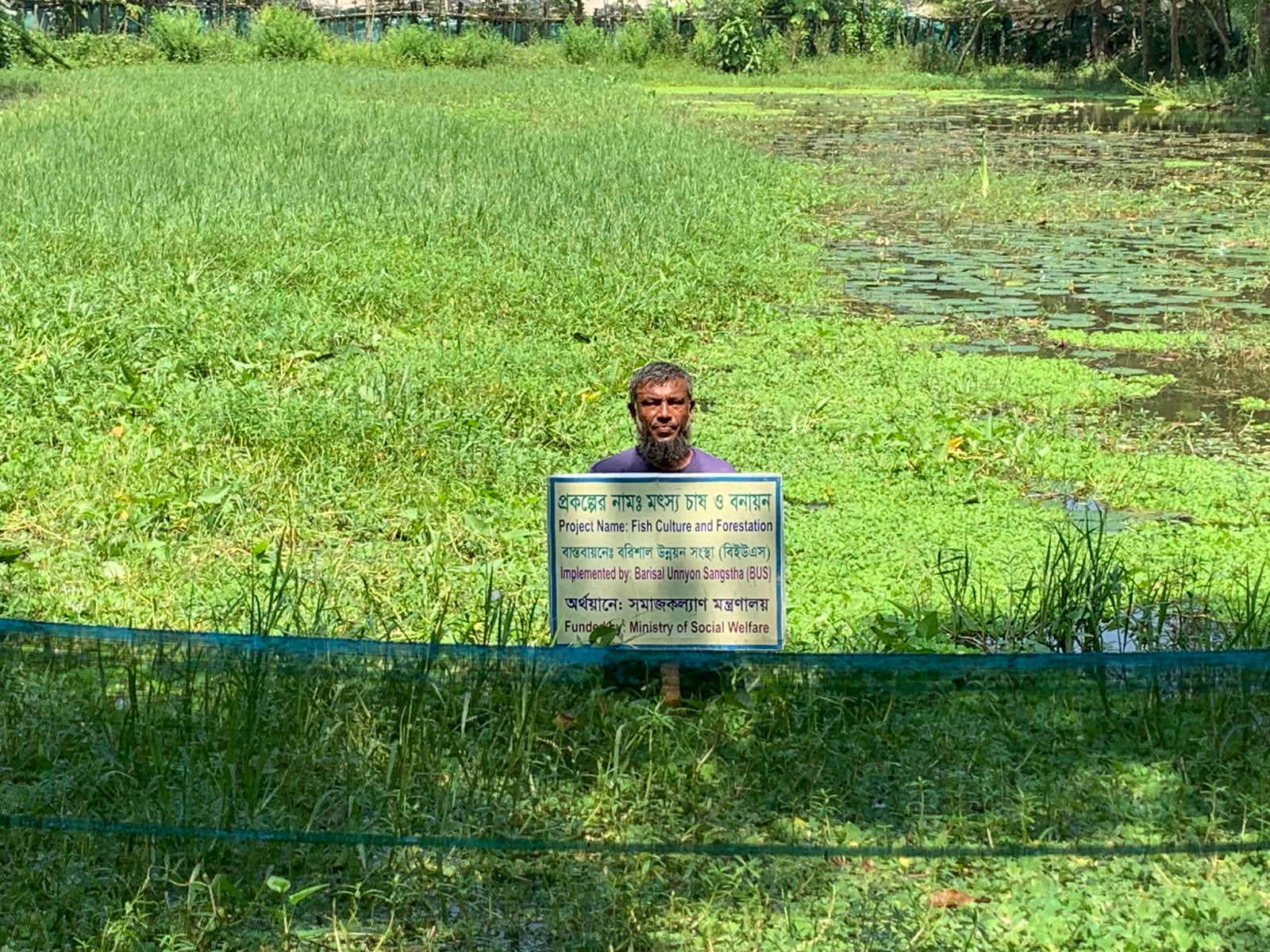
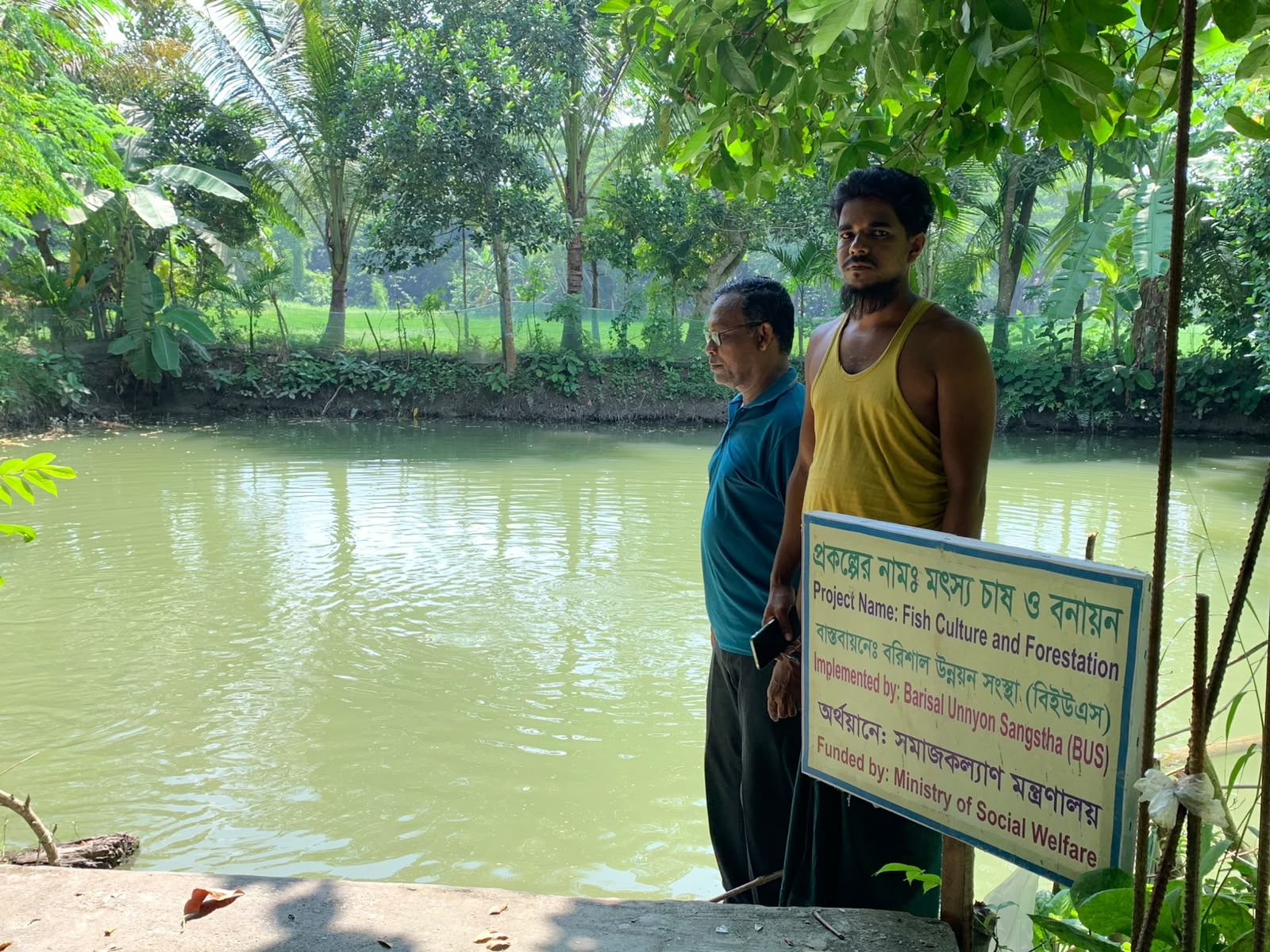
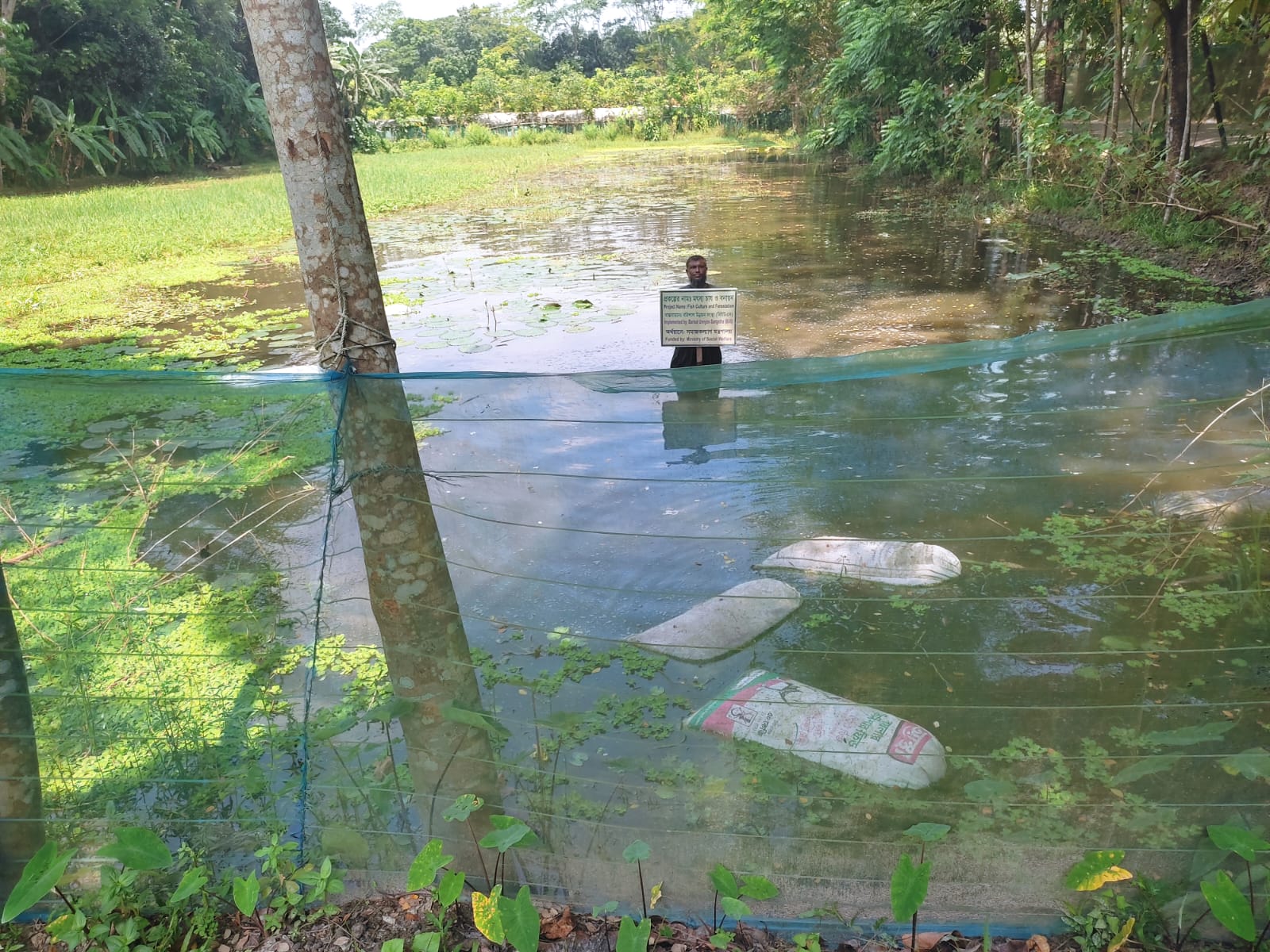
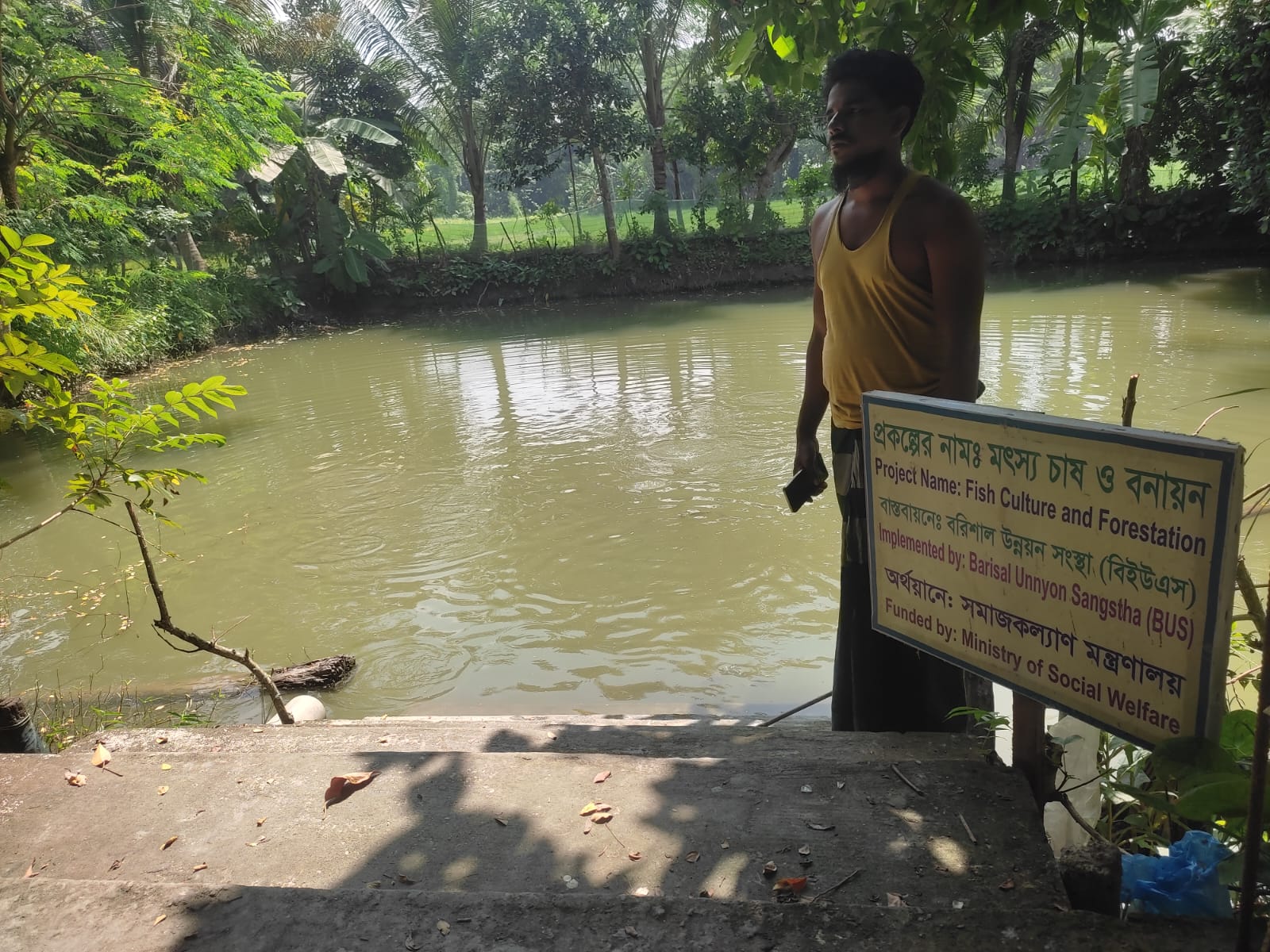
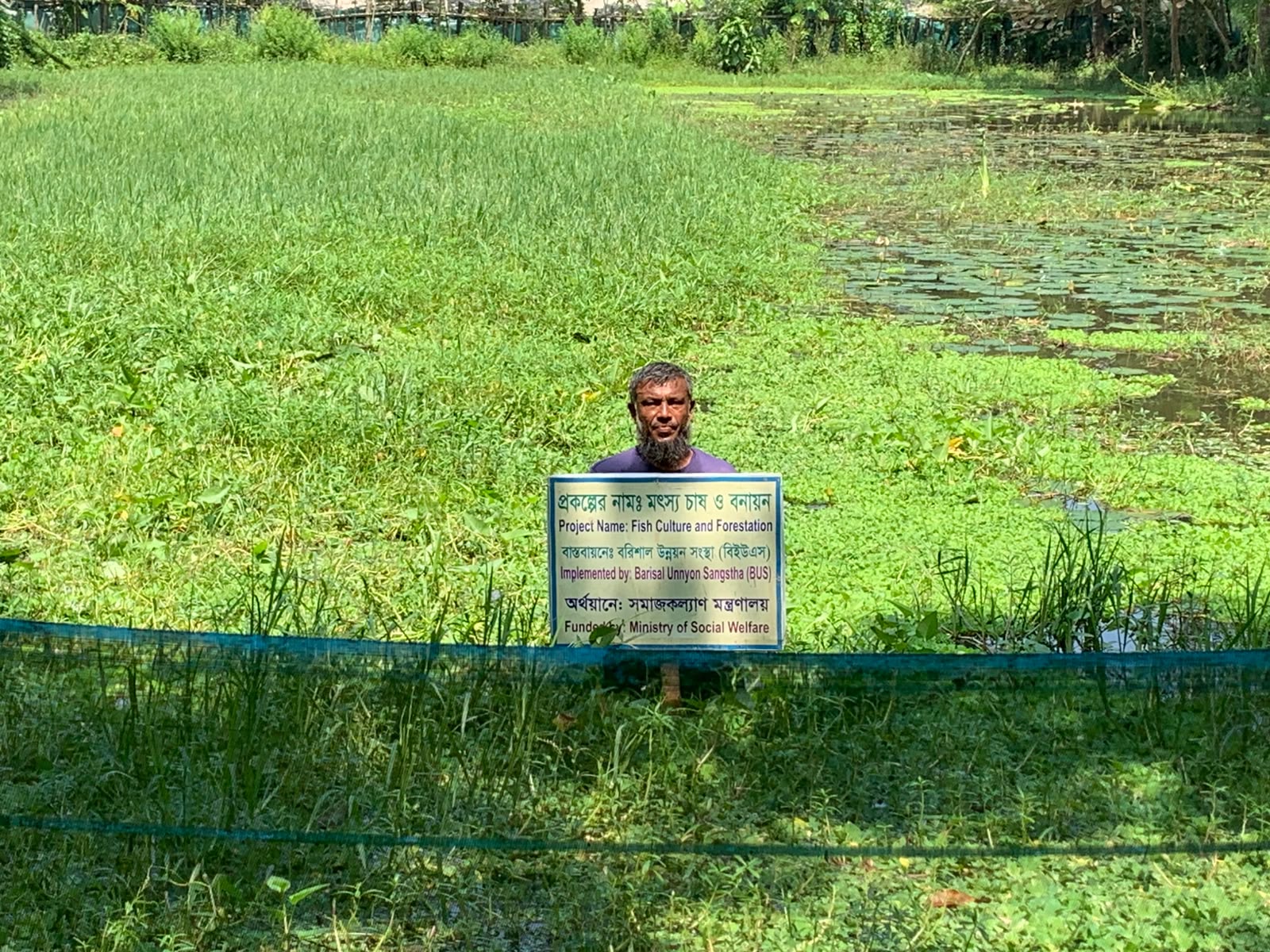
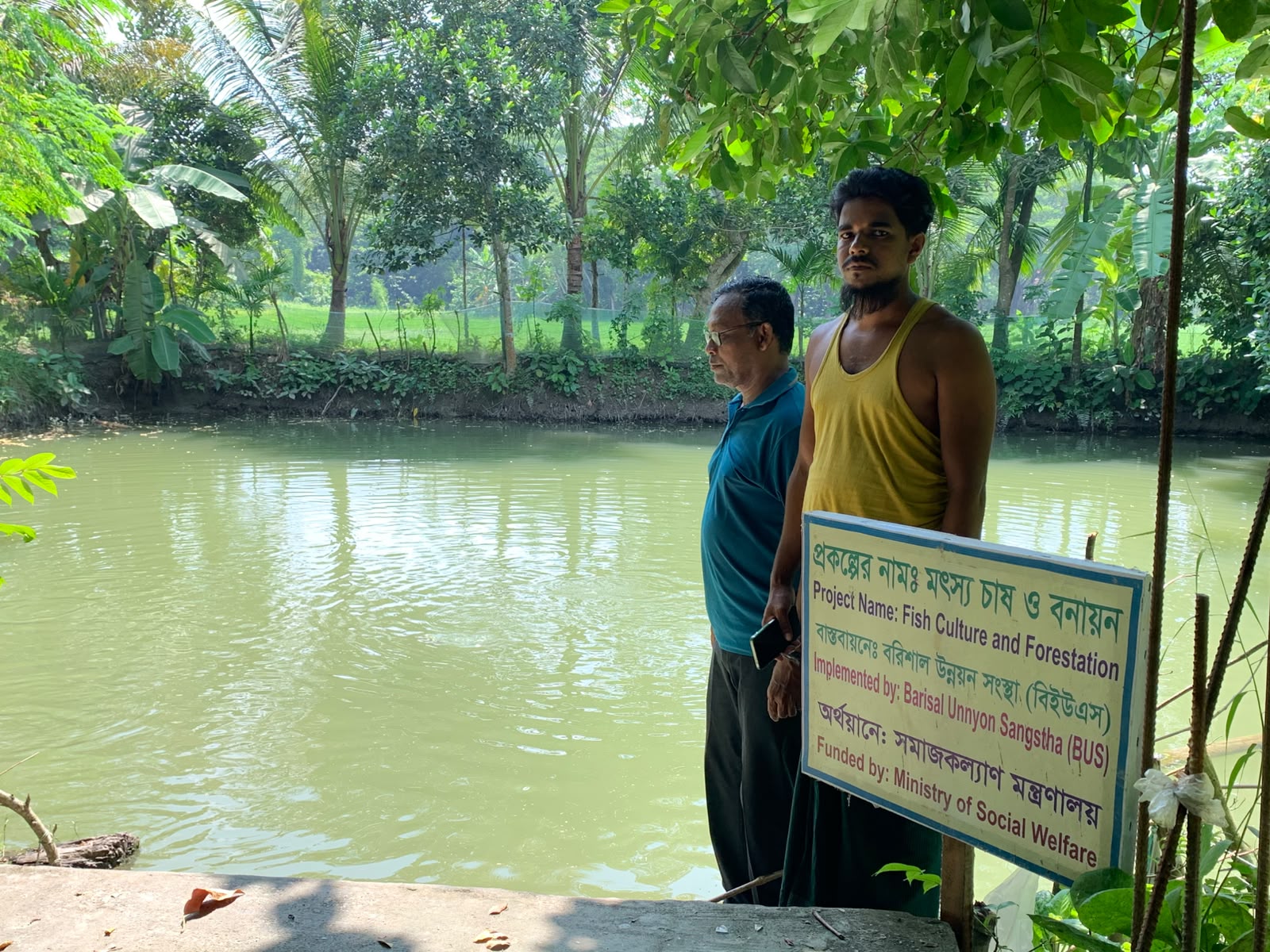
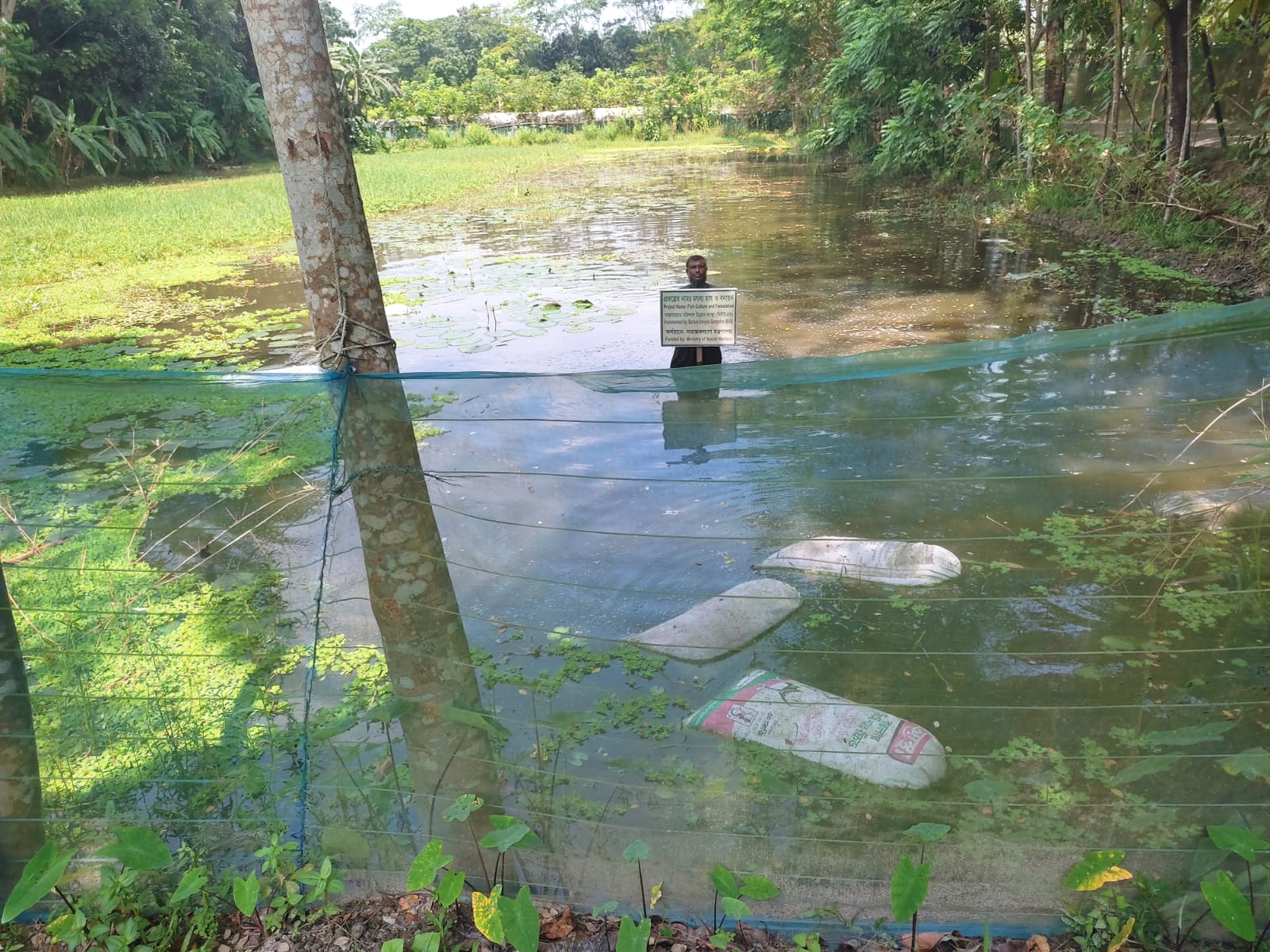
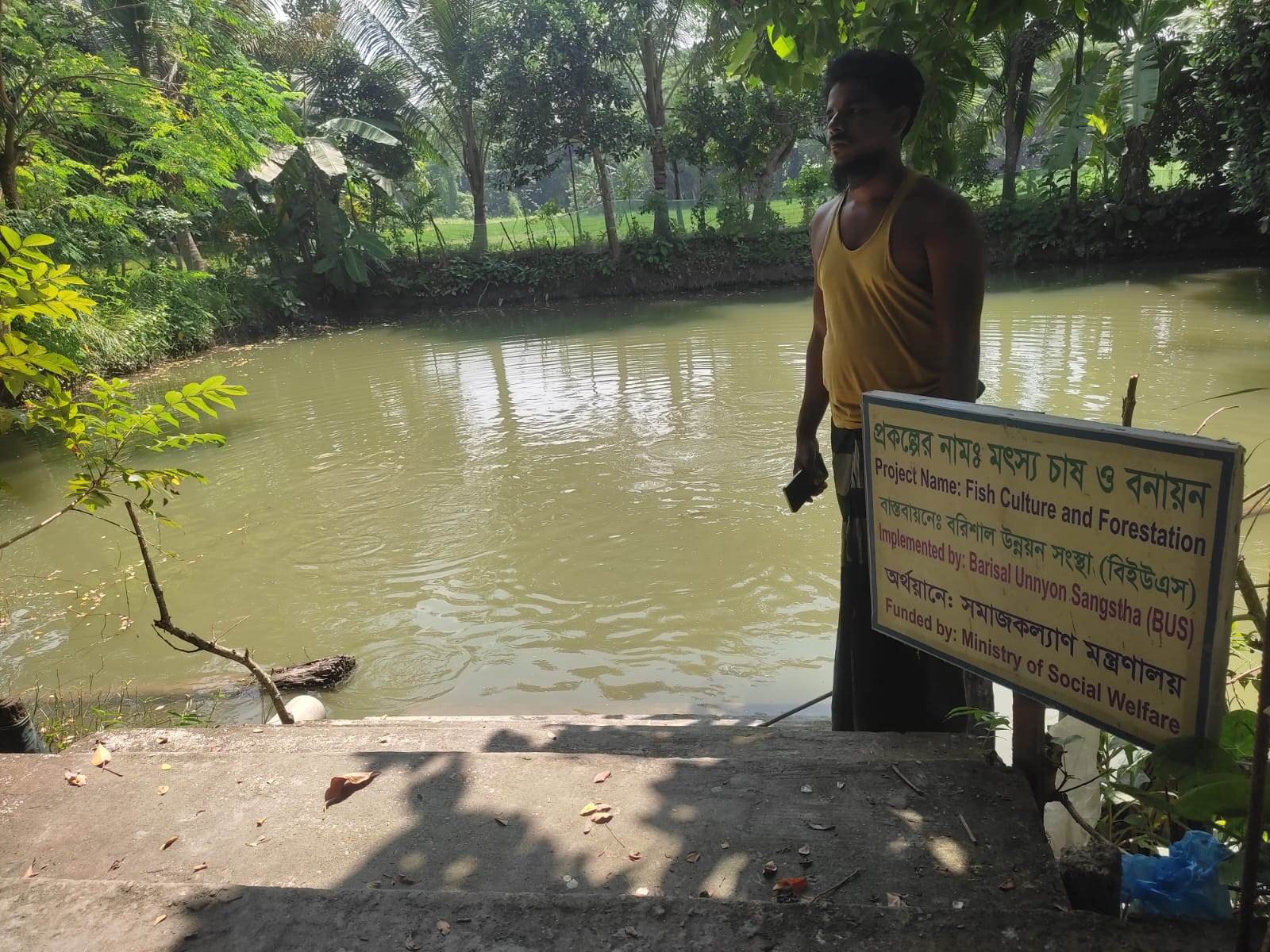
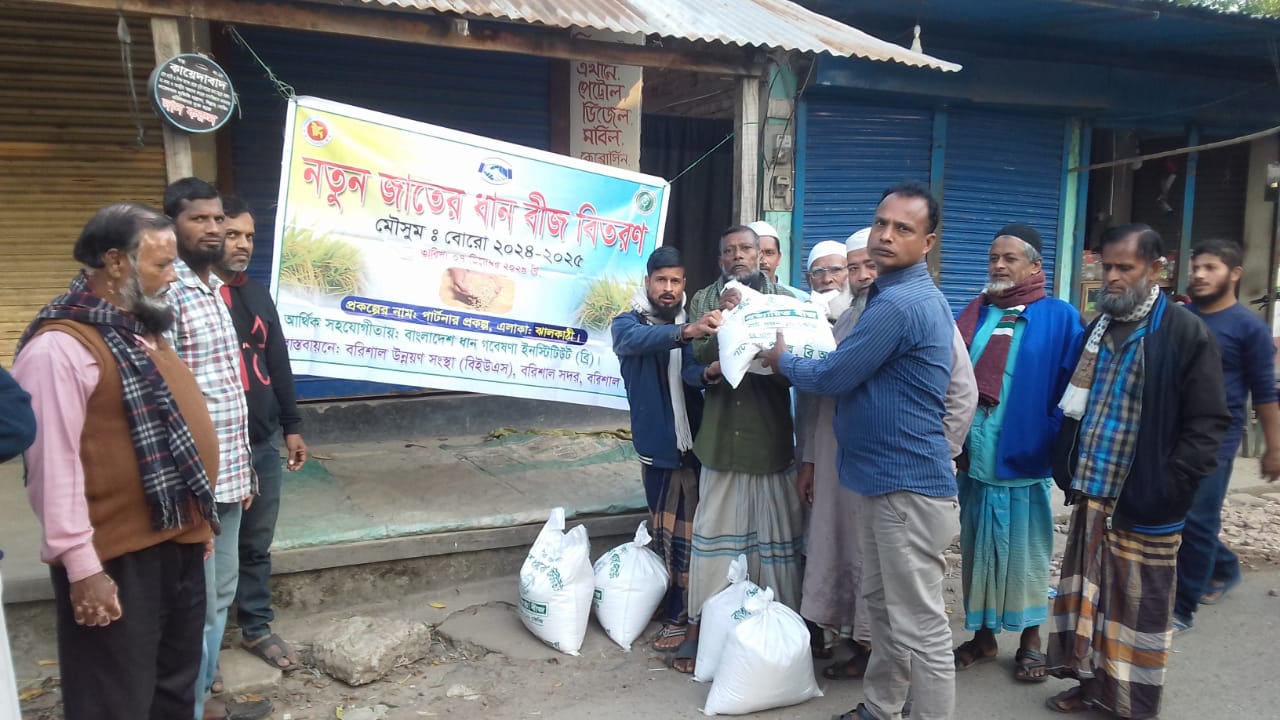
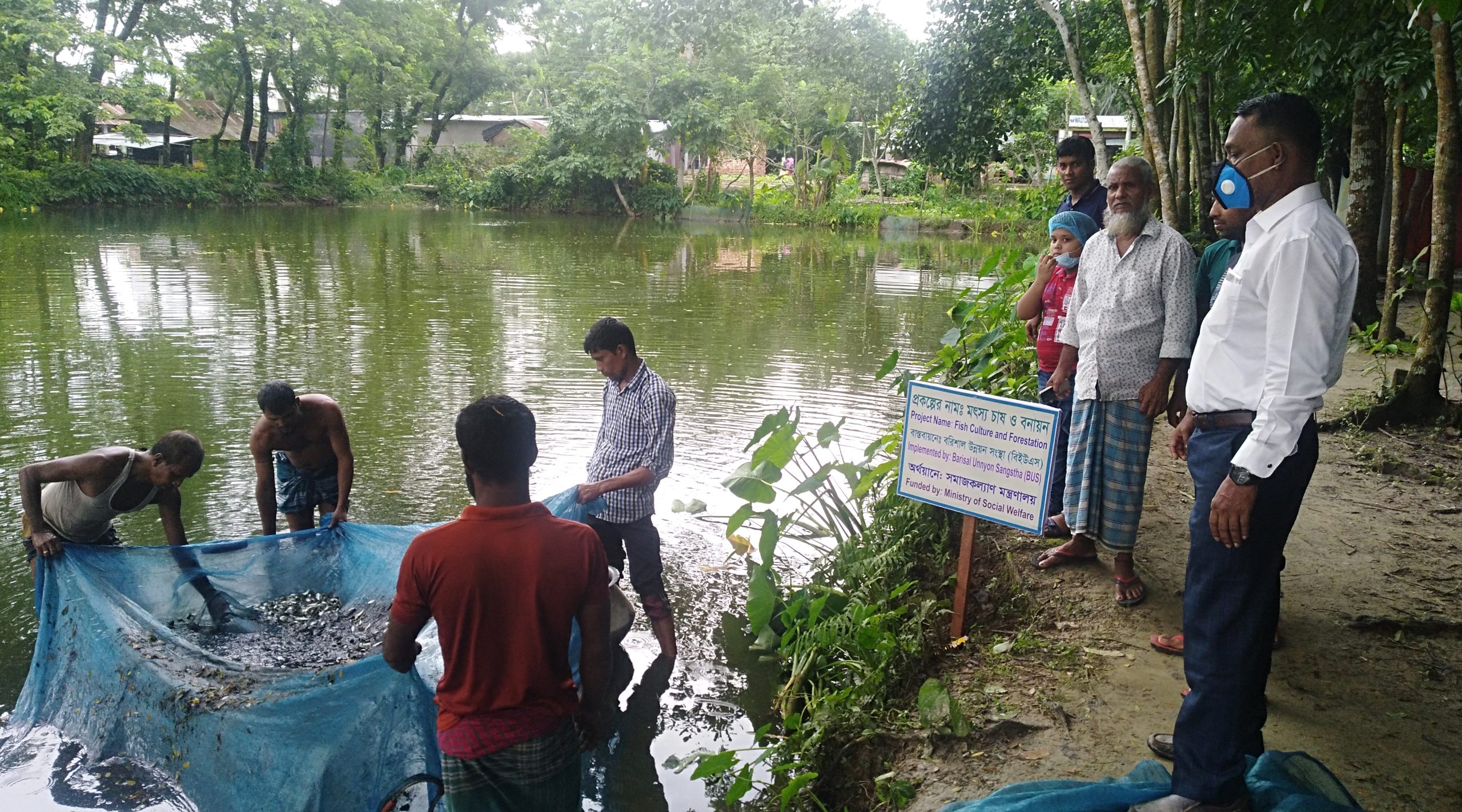
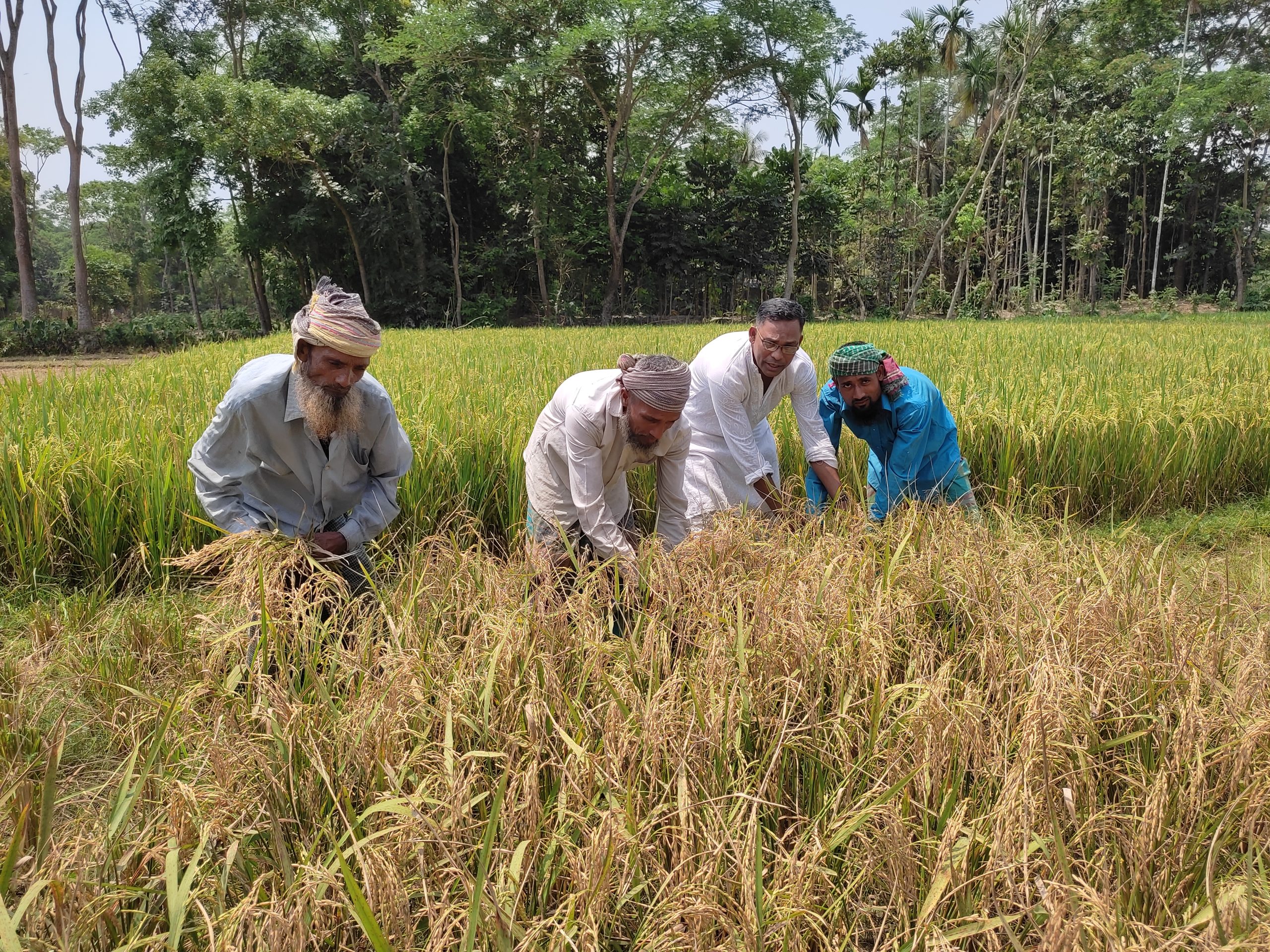
Concurrently, local fisheries and forestation programs are actively underway in these regions, funded by the Department of Social Services (DSS). These ongoing environmental and livelihood activities complement the VWB goals by promoting sustainable natural resource management and creating broader community development opportunities. Together, these coordinated efforts demonstrate a strong commitment to empowering communities, improving livelihoods, and building long-term resilience across both upazilas.
A society free from exploitation, inequality, and oppression where every individual can live in peace, dignity, justice, and harmony while exercising their rightful opportunities and participation in society.
To empower poor and vulnerable people, especially women, adolescents, and marginalized communities, through capacity building, education, sustainable livelihood opportunities, social protection, local resource mobilization, and rights-based development initiatives implemented by skilled, experienced, and committed professionals.
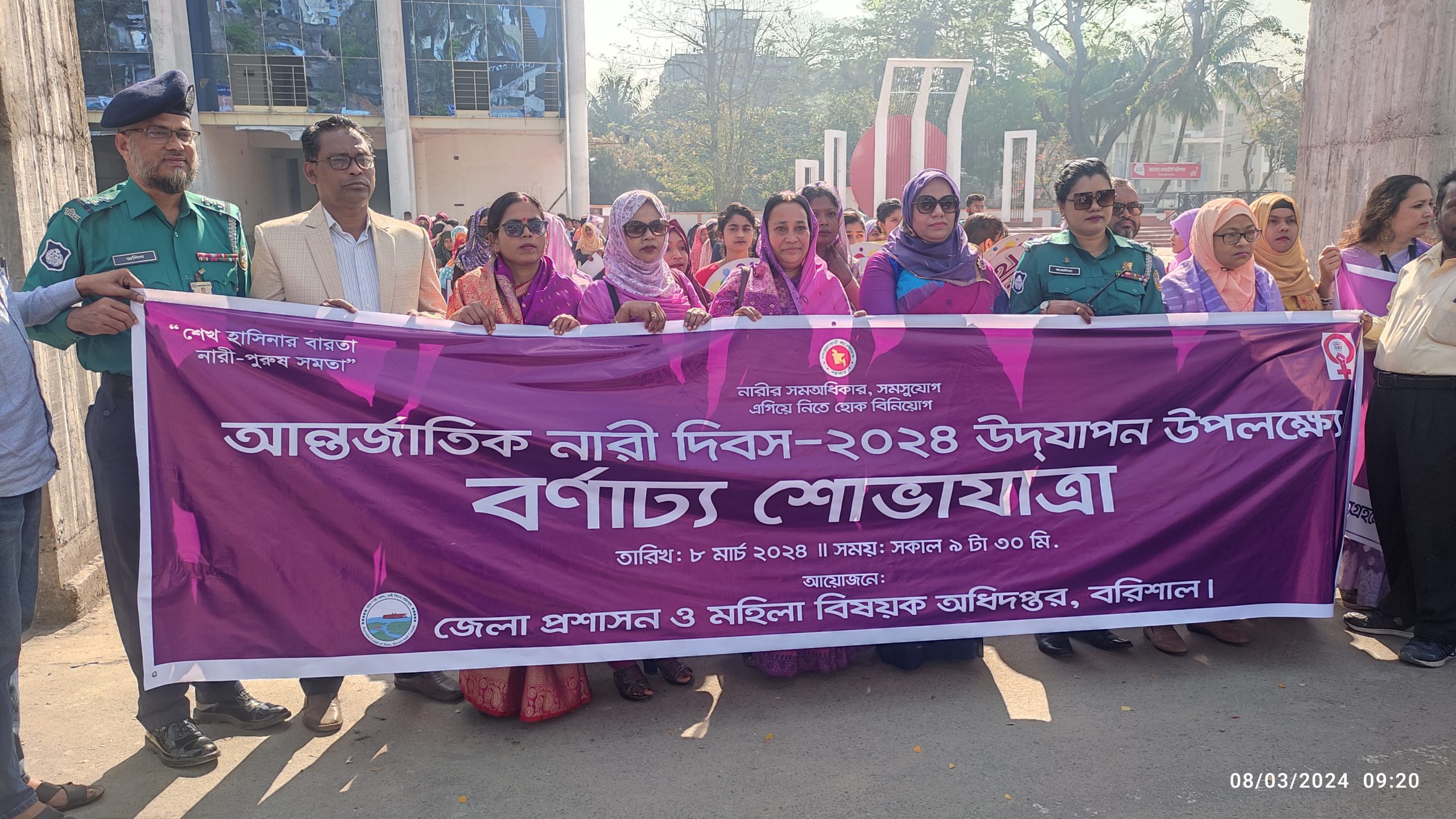
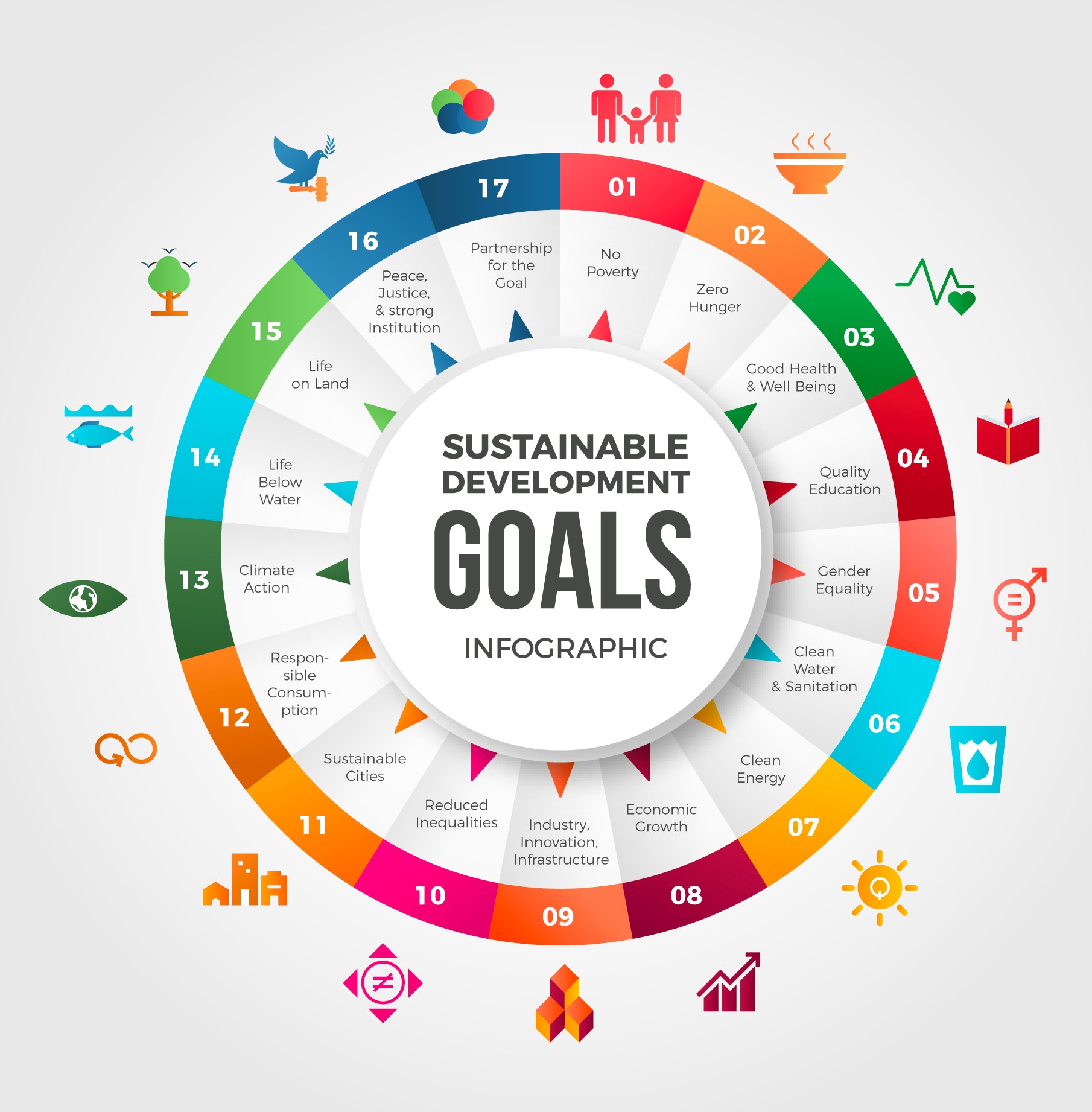
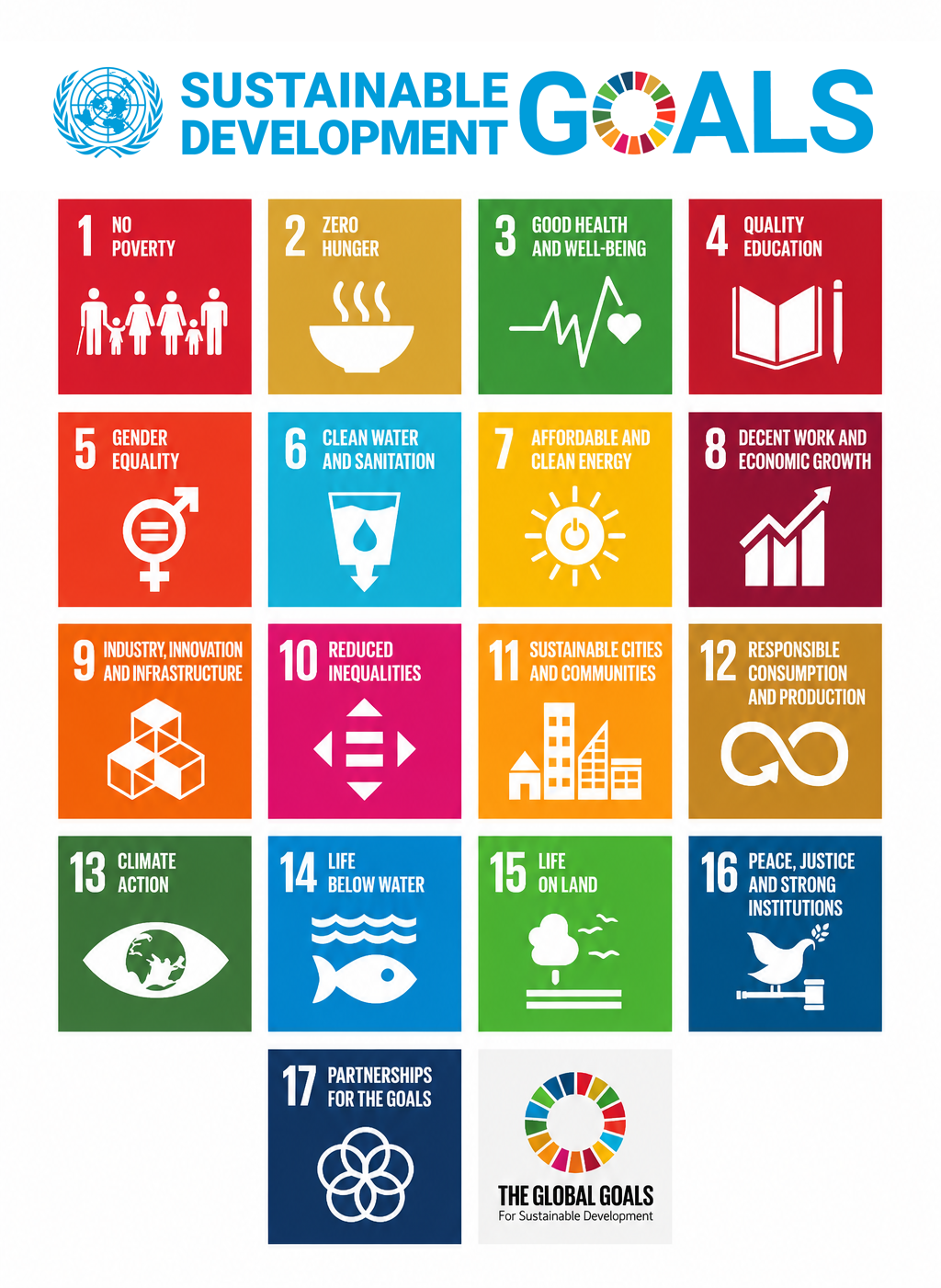
The primary goal of Barisal Unnyon Sangstha (BUS) is to empower vulnerable communities—particularly women and marginalized groups—in Bangladesh. Through sustainable socio-economic initiatives, environmental protection, skill development, and strategic partnerships, BUS works to eradicate poverty, improve rural livelihoods, and build climate-resilient, self-reliant communities across the region.